
Iran approved Chinese vessel transit through Hormuz as Beijing deepened coordination with Tehran amid growing US pressure.
Key Developments
- Iran approved the transit of Chinese vessels through the Strait of Hormuz following negotiations with Beijing.
- Iran reported that 30 vessels passed through Hormuz under IRGC naval supervision overnight.
- The developments coincided with Donald Trump’s visit to Beijing amid US efforts to pressure China over Iran.
Iran Approves Chinese Vessel Transit
Iran has permitted several Chinese vessels to transit the Strait of Hormuz following diplomatic coordination and an understanding regarding Tehran’s management rules for the strategic waterway, according to Iran’s Fars News Agency.
Citing an informed source, the agency said the facilitation followed sustained diplomatic engagement involving Chinese Foreign Minister Wang Yi and Beijing’s ambassador in Tehran.
According to the report, Iranian and Chinese officials reached a mutual understanding regarding Iran’s regulatory framework governing maritime passage through the strait.
The source confirmed that transit operations for the approved Chinese vessels had already begun overnight.
Iranian officials reportedly described the arrangement as part of the Islamic Republic’s internal protocols aimed at preventing what Tehran sees as political exploitation of the waterway’s strategic importance.
The report added that the measure reflects Iran’s “smart and precise management” of one of the world’s most critical energy corridors.
IRGC Supervises Maritime Traffic
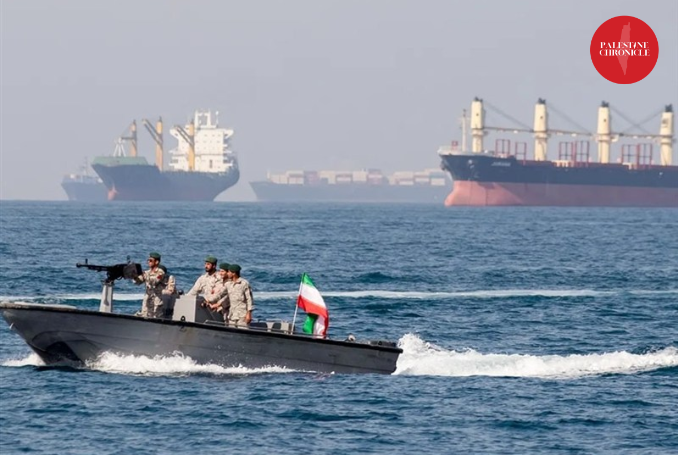
In a related development, Iranian state television reported that 30 vessels crossed the Strait of Hormuz since the previous night under the supervision of the naval forces of the Islamic Revolutionary Guard Corps.
Iranian authorities have repeatedly warned that only routes designated by Tehran are considered safe for maritime transit.
The Iranian Naval Command stated that vessels deviating from the approved routes could face a “firm response.”
The warnings come amid ongoing military tensions in the Gulf following the US-Israeli war on Iran and continuing disputes surrounding navigation through the strategic strait.
Chinese Tanker Movement Draws Attention
The latest developments came one day after a Chinese-flagged oil supertanker was tracked crossing the Strait of Hormuz.
Shipping data from MarineTraffic showed the tanker Yuan Hua Hu moving eastward through the waterway early Wednesday before its tracking signal disappeared hours later, fueling speculation that its automatic identification system had been switched off amid heightened security risks.
Shipping records indicate the vessel previously stopped at Iran’s Asaluyeh port on February 28, the first day of the war, and remained active inside Gulf waters during the conflict.
Its most recent recorded port call before the latest transit was in the United Arab Emirates in March.
China remains the largest importer of Iranian crude oil despite extensive US sanctions targeting Tehran’s energy sector.
Beijing has repeatedly rejected unilateral American sanctions on Iran and has recently moved to block Chinese entities from complying with US restrictions targeting refineries purchasing Iranian oil.
Trump Pressures China over Iran
The maritime developments coincided with US President Donald Trump’s visit to Beijing amid rising global concern over disruptions in the Strait of Hormuz and surging energy prices.
US officials are expected to pressure China to use its economic leverage with Tehran to support reopening the waterway and advancing a ceasefire framework acceptable to Washington.
China, however, has increasingly criticized what it describes as the destabilizing role of the United States in the conflict while simultaneously promoting regional de-escalation and economic stability.
The renewed Chinese maritime activity highlighted the growing overlap between the Gulf crisis and broader US-China strategic competition over energy security, sanctions enforcement, and geopolitical influence in the region.
(PC, Al Mayadeen)