
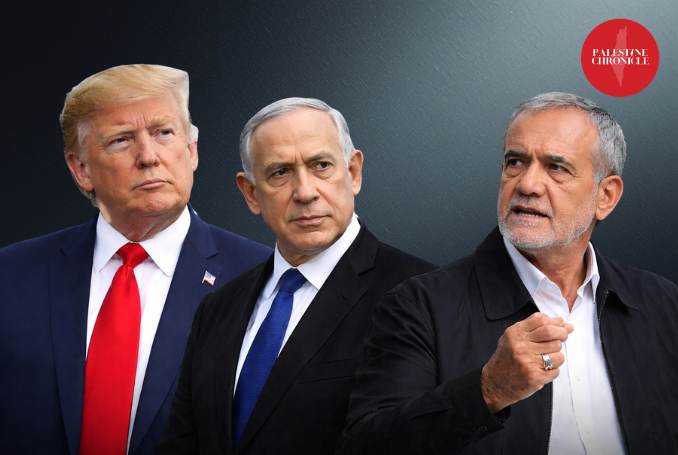
Financial Times columnist warns war on Iran may strengthen Tehran, reflecting growing Western doubts about US strategy and outcomes.
Key Takeaways
- FT analysis argues war may strengthen Iran instead of weakening it.
- Analysis highlights Tehran’s resilience and strategic leverage during conflict.
- Piece reflects emerging doubts in Western discourse over US war assumptions.
Contrasting Narratives Emerge
As the US-Israeli war on Iran continues, a widening gap is emerging between official political rhetoric in Washington and a more cautious assessment taking shape in parts of Western media.
US President Donald Trump has continued to project confidence in the war effort. In a Truth Social post on March 30, Trump warned that the United States could respond “TWENTY TIMES HARDER” and threatened to “obliterate” Iran’s energy infrastructure if the Strait of Hormuz was not reopened.
At the same time, major Western outlets are increasingly presenting a more restrained reading of developments, raising questions about whether the war is achieving its stated objectives.
FT Raises Strategic Questions
A new analysis in the Financial Times has warned that Iran could emerge from the ongoing war stronger, highlighting growing concerns within Western policy circles about the direction and outcomes of the conflict.
Writing on March 30, Gideon Rachman argued that the war may be producing effects that run counter to US strategic expectations, raising questions about whether military pressure is achieving its intended goals.
The column, titled “Iran could emerge from the war stronger,” reflects a broader reassessment taking place in parts of Western media as the war enters a prolonged phase.
War May Strengthen Iran
Rachman writes that the conflict risks reinforcing Iran’s position rather than weakening it, suggesting that Tehran may gain strategic advantages as the war unfolds.
He points to Iran’s ability to leverage its geographic and economic position, particularly through its influence over key energy routes, as a factor that could increase its importance in global affairs.
The column also notes that Iran has long prepared for sustained confrontation, developing systems designed to withstand external pressure.
Resilience Under Pressure
According to the analysis, Iran’s economic and political structure has adapted over time to conditions of sanctions and isolation, allowing it to function despite external constraints.
The highlights what is often described as Iran’s resistance economy, a model aimed at reducing vulnerability to international pressure and maintaining internal stability during periods of conflict.
This capacity, he suggests, complicates assumptions that military escalation would lead to the rapid weakening of the Iranian state.
Limits of Military Strategy
The column also raises broader questions about the effectiveness of the US strategy in the region.
Rachman suggests that expectations of internal instability or political collapse in Iran may have been overstated, noting that such outcomes have not materialized despite sustained pressure.
He argues that military action alone may not produce the structural changes envisioned by policymakers, particularly in a country that has spent decades preparing for confrontation.
Shifting Global Context
Beyond the immediate battlefield, the column situates the conflict within a changing global environment.
Rachman points to a broader shift toward a more fragmented international system, in which states such as Iran are able to operate with greater autonomy despite Western pressure.
In this context, the war is not only a regional conflict but also part of a wider transformation in global power dynamics.
While the column is presented as an analysis, it reflects a growing debate within Western media and policy circles about the trajectory of the war.
As the war on Iran continues without a decisive outcome, questions about its long-term impact—both on Iran and on US strategy—are becoming more prominent.
The Financial Times column is one of several, if not many, recent commentaries suggesting that the war may be producing unintended consequences, including the possibility that Iran’s position could ultimately be strengthened.
Iran’s Retaliation Against US and Israel Has Potential to Reignite Arab Spring
(Financial Times, PC, Social Media)

