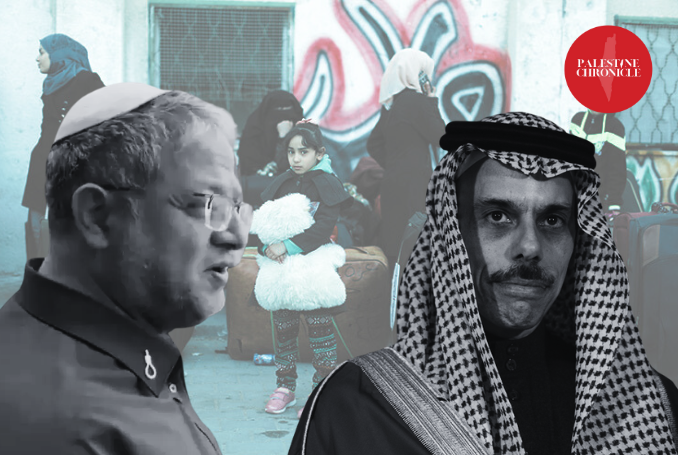

Saudi Arabia warns Gaza deaths continue as Israel insists on disarmament amid strikes, political tensions, and worsening crisis.
Key Developments
- Saudi Arabia says killings continue in Gaza despite ceasefire, urging reconstruction and Palestinian self-determination.
- Israel reiterates goal of dismantling Hamas and fully disarming Gaza before rebuilding begins.
- Israeli strikes and demolitions persist across the Strip, with hundreds killed since the truce took effect.
- Israeli internal tensions deepen as former security chiefs accuse Netanyahu of avoiding accountability.
- Prison escalation and worsening humanitarian conditions signal continued instability despite the ceasefire.
Ceasefire Has Not Halted Killing
Saudi Foreign Minister Prince Faisal bin Farhan warned that the ceasefire has failed to stop the loss of life in Gaza, calling for an immediate end to violence and reconstruction of the besieged enclave.
“Dying in Gaza has not stopped,” he said during a panel discussion at the Munich Security Conference.
He stressed that rebuilding Gaza must proceed alongside recognition of Palestinian rights, including self-determination, and preserving the unity of Gaza and the West Bank.
According to the minister, stability cannot be achieved through security arrangements alone but requires a political horizon addressing the underlying conflict.
His remarks set the diplomatic frame for the current moment: a ceasefire formally in place, yet conditions on the ground still defined by military logic rather than post-war recovery.
German Parliament Speaker Enters Gaza with Israeli Army, Meets No Palestinians
Israel Reaffirms Disarmament Objective
That contradiction was underscored by Israeli military messaging the same day.
During a field tour in Rafah, Israeli Chief of Staff Eyal Zamir said the central objective remains “the full disarmament of the Gaza Strip and dismantling Hamas.”
He added that Israeli forces are prepared to shift “from defense to offense” and will continue targeting underground infrastructure.
Zamir said the army remains deployed along the so-called Yellow Line security zone and continues to control Gaza’s crossings.
Israeli leaders have repeatedly linked reconstruction to demilitarization. Prime Minister Benjamin Netanyahu previously stated rebuilding would not begin before Gaza becomes free of weapons and tunnels — effectively conditioning civilian recovery on military outcomes.
The gap between regional calls to rebuild immediately and Israel’s insistence on disarmament has become one of the main obstacles shaping the post-ceasefire reality.
Israel Wants ISIS-Linked Militias To Control Rafah Crossing — The New Order in Gaza
Continued Strikes Despite the Truce
Events on the ground have reinforced that gap.
Israeli forces demolished residential buildings east of Khan Yunis while drones dropped explosives on homes in Gaza City’s Zaytoun neighborhood. Naval gunfire was also reported along the coast.
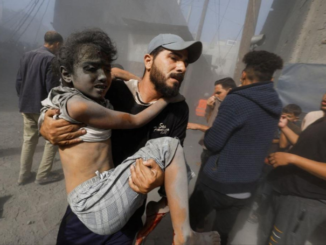
According to Gaza’s Health Ministry, at least 591 Palestinians have been killed and more than 1,578 injured since the ceasefire took effect in October 2025. Rescue teams say victims remain trapped under rubble due to lack of equipment and access.
These incidents illustrate a pattern: the ceasefire has reduced full-scale genocidal war but has not ended daily violence.
رياح قوية محملة بالغبار تضرب خيام النازحين في قطاع #غزة#فيديو pic.twitter.com/6RWfKvkyUz
— الجزيرة فلسطين (@AJA_Palestine) February 13, 2026
Israeli Internal Crisis over October 7
While external pressure mounted, internal divisions within Israel also deepened.
Five former heads of the Shin Bet security service and dozens of senior officials accused Netanyahu of attempting to evade responsibility for the October 7 events. They criticized a document he submitted to the state comptroller as selective and biased.
The officials warned that political attacks on security agencies were meant to shift blame and prepare public opinion to reject a formal inquiry. An opinion poll indicated nearly half of Israelis do not accept the prime minister’s version of events.
The dispute reflects how the war’s consequences are now shaping Israel’s domestic political landscape as much as its military one.
After Israel Killed 265 Journalists in Gaza, Herzog Says Media Barred for ‘Protection’
Prison Escalation
The internal tensions coincided with escalating policies toward Palestinian detainees.
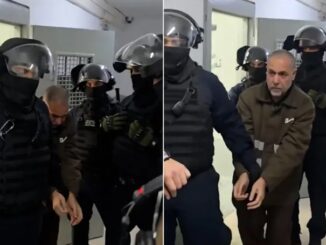
Israeli National Security Minister Itamar Ben-Gvir visited Ofer prison near Ramallah, where sound grenades were reportedly detonated outside detainees’ cells ahead of Ramadan.
He has promoted harsher prison conditions and legislation expanding the death penalty for Palestinian prisoners. Rights groups report worsening detention conditions including starvation, medical neglect and abuse affecting thousands of detainees.
These measures have raised fears of further escalation inside prisons at a time when tensions across the occupied territories remain high.
‘We Are Very Worried’ – UN Defends Rapporteur after Coordinated European Pressure Campaign
Displacement Crisis
On the humanitarian level, conditions continued to deteriorate independently of military or political developments.
A powerful sandstorm struck Gaza, shaking displacement tents and worsening living conditions for families whose homes were destroyed during the war.
Medical patients, especially those with respiratory illnesses, faced increased risks as dust entered damaged shelters. Recent winter storms have repeatedly flooded or destroyed makeshift housing while reconstruction materials remain severely restricted.
According to Gaza health authorities cited by international agencies, more than 72,000 Palestinians have been killed since the start of the war. Tens of thousands more have been wounded, many with permanent disabilities.
Women and children account for a large share of the casualties. Medical and humanitarian organizations report that entire families have been erased from civil registries, while thousands remain missing beneath the rubble.
Hospitals have collapsed under bombardment and siege conditions, forcing doctors to perform surgeries without anesthesia and leaving large numbers of injured without treatment. UN agencies report the destruction of most housing units in the enclave and the displacement of the overwhelming majority of the population.
Aid organizations warn of starvation conditions caused by severe restrictions on food, water and medical supplies, alongside outbreaks of disease linked to the breakdown of sanitation infrastructure.
(PC, QNN, Anadolu, Al-Mayadeen, AJA, Israeli Media)