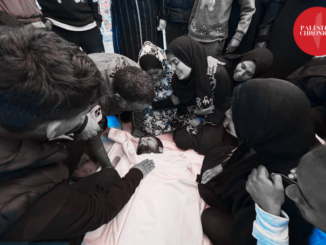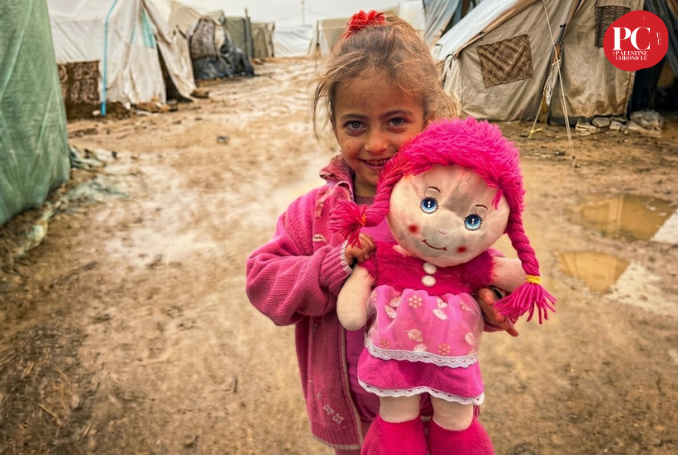
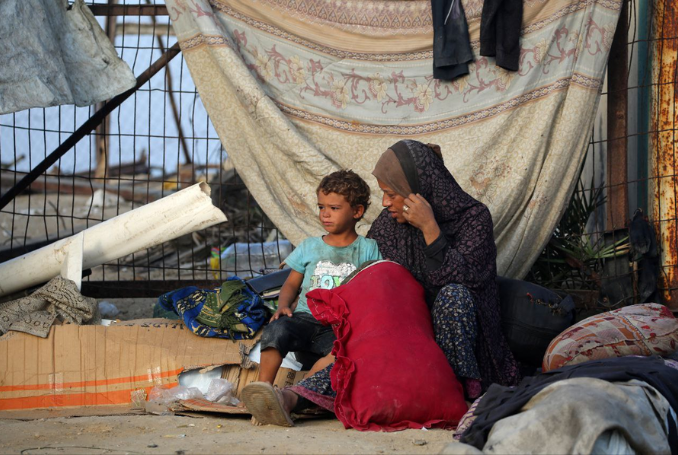
The Israeli war on the Gaza Strip has more than tripled the number of orphaned children, raising the total to an estimated 57,000, according to a Gaza government official.
This drastic surge comes after approximately 40,000 children have lost one or both parents, with some left as the sole surviving member of their entire family, as a result of two years of Israeli genocide.
Dr. Riad Al-Bitar, Assistant Undersecretary of the Ministry of Social Development in Gaza said in a statement that before the genocidal war, the number of orphans stood at 17,000. He emphasized that this vulnerable population has doubled during the war of extermination waged by Israel on the Strip.
The Ministry of Social Development is now developing a comprehensive strategy to deal with the overwhelming number of orphans, focusing on “Comprehensive Care” that encompasses economic, social, and psychological needs, in addition to establishing dedicated care homes.
Urgent Need for Care, Financial Support
Al-Bitar told Al-Jazeera Arabic website that the Gaza Strip urgently needs at least five new care homes for orphans, along with immediate financial sponsorship for the children and the families who are taking them in.
The Ministry is working to provide technical support to aid organizations through an integrated digital system. This system aims to create a unified database, drawing from sources like the civil registry and public links for data updates, to ensure efficient service delivery and prevent duplication of aid efforts among partners.
Rafah Crossing May Reopen Sunday amid Gaza’s Catastrophic Humanitarian Crisis
The Ministry faces a significant challenge in unifying relief and development efforts due to the political instability in Gaza and the tendency of some local and international organizations to operate independently.
Despite these difficulties, Al-Bitar noted that “good progress has been made with everyone, reaching a state of integration among all parties.”
Universal Poverty, Lost Childhoods
The genocide has led to near-universal poverty, according to the official. Al-Bitar stressed that all Palestinians in the Gaza Strip have been severely impacted by poverty and the halt of economic activity. The already vulnerable thousands of families previously classified as “abjectly poor,” who relied on often irregular cash assistance, have been completely crushed by the war, which halted all aid disbursements.
Al-Bitar asserted that poverty in the Gaza Strip is now “comprehensive,” making it difficult to even determine who is the most impoverished amid the widespread destruction of economic, social, and security structures. He estimates that the poverty rate in Gaza now exceeds 95%, attributing this to the loss of income sources, famine, and policies of impoverishment practiced by the occupation.
The fate of children is of particular concern. The war has robbed them of their right to education and family stability, leading to an increase in violence against them and early child labor.
“Children now wake up to a daily routine, not to join the school benches or drink a glass of milk, but to stand in queues for filling water, trying to get food from soup kitchens, searching for firewood for cooking, and living in tents that lack any social dimension,” Al-Bitar lamented. He warned that the dire situation is expected to lead to increased domestic violence, delinquency, and conflict with the law, creating a very difficult reality for children.
The infrastructure for child welfare has also been decimated, with several care homes and centers — including Al-Rabi Institution for rehabilitation, the Child Protection Center, Al-Amal Institute for Orphans, and the SOS Children’s Village in Rafah — destroyed or damaged by Israeli bombardment.
Gaza Farmland ‘Destroyed, Inaccessible’: UNRWA Warns Aid Entry Not Enough
Women Bear the Heaviest Burden
Women in Gaza have also borne the brunt of the war, losing husbands, children, homes, and facing repeated displacement in harsh conditions. They live in tents lacking privacy, are subjected to severe economic pressure, and lack essential healthcare. Al-Bitar believes these circumstances have led to increased domestic violence against women.
Compounding this issue, the Israeli forces destroyed the only safe house in the Gaza Strip dedicated to women’s protection, Beit Al-Aman Center. The Ministry is working to secure a replacement center, with Al-Bitar urgently calling on international organizations to intervene to rebuild the facility as quickly as possible.
Despite the destruction of its facilities and the loss of staff, the Ministry of Social Development has continued its work, focusing on aid distribution, the protection of women and children, and establishing shelters, all within a unified national digital system to support the resilience of the Palestinian people in Gaza.
(AJA, PC)