
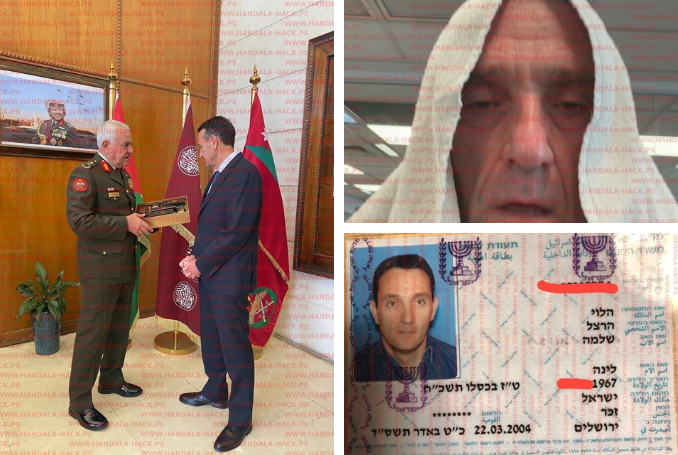

An Iranian-linked hacking group says it penetrated Herzi Halevi’s phone for years, exposing sensitive military and personal materials.
Key Takeaways
- Handala says it stole around 19,000 files from former Israeli army chief Herzi Halevi’s phone.
- The leaked material reportedly includes “secret meetings, strategic maps, and personal details from his private home.”
- Yedioth Ahronoth says the breach could shake Israel’s security establishment and deepen psychological pressure after the ceasefire.
Shaking the Security Establishment
A long investigation published by the Hebrew newspaper Yedioth Ahronoth on Thursday reveals that a new cyber incident “could shake up the security establishment,” after the Iranian hacker group Handala announced it had secretly penetrated the phone of Major General (res.) Herzi Halevi, the 23rd Chief of Staff of the Israeli army, over the years.
According to the report, Handala published a “large-scale statement” on Thursday morning, saying it had stolen approximately 19,000 sensitive files, including “visual documentation of secret meetings, strategic maps, and personal details from his private home.”
Yedioth Ahronoth added that the materials gathered include not only security-related content, but also private and family records.
“The hackers claim that the material in their possession does not include just dry documents, but live documentation of ‘crisis rooms’ and top-secret facilities,” according to the report. It added that the group says it possesses “thousands of photos with visible faces of fighters and commanders of the highest ranks in the country, completely exposed.”
The Israeli paper noted that the scale and nature of the publication set this case apart from earlier cyber incidents involving senior Israeli figures.
In its words, “19,000 files is an amount of information that can provide a very broad intelligence picture, beyond mere personal harassment.”
Military and Personal Material Exposed
The report says the database published by Handala includes both official and private material.
“Dozens of examples of photos and videos were published in the announcement, including from his official activities as Chief of Staff, such as on a tour of the Air Force base or in conference rooms and high-level meetings,” the report read.
But the material reportedly goes well beyond military settings. The article said: “The database also includes photos and videos from the former Chief of Staff’s family life, including photos of his and his wife’s ID cards.” It also mentioned what it describes as “embarrassing” personal details, including “a video showing Halevi in a humorous family situation at his home.”
Visit to Jordan
According to the Israeli paper, one especially sensitive item among the leaked materials is “a video and photos of the former Chief of Staff giving the Jordanian Chief of Staff a dagger belonging to a Jordanian soldier killed in the Six-Day War.”
The paper noted the significance of that disclosure, writing: “It should be noted that Halevi’s visit to Jordan at the time was under a veil of secrecy, and he arrived at the meeting in civilian clothes, and without a uniform.”
The report also said the publication appears designed not just to expose information, but to undermine confidence at the top of Israel’s military hierarchy.
“The declared goal of the publication is not only to gather intelligence, but to undermine the sense of security of the Israeli top command under the message: ‘We are the shadow in the heart of your command’,” the report said.
Psychological Operation
Yedioth Ahronoth explicitly framed the leak as part of a broader psychological campaign.
“The incident appears to be part of aggressive psychological warfare, and it is not surprising that the publication is being made just hours after President Trump’s ceasefire announcement,” it said.
The report suggested that the Handala publication was designed to show that cyber pressure will continue even after active combat slows.
“The attack against Halevi does not occur in a vacuum,” the report noted, adding that “It joins a series of Iranian attempts to harm symbols of Israeli rule and security, but the current attack should somewhat shake the sense of security of the top security officials.”
According to the report, “This is the fourth hack into the devices of senior figures in the Israeli political and security system.”
Previous cases involved former Defense Minister Yoav Gallant, former Prime Minister Naftali Bennett, opposition leader Benny Gantz, and top diplomat Tzachi Braverman, all described as highly senior officials with access to sensitive materials.
(PC, Yedioth Ahronoth)




Be the first to comment