
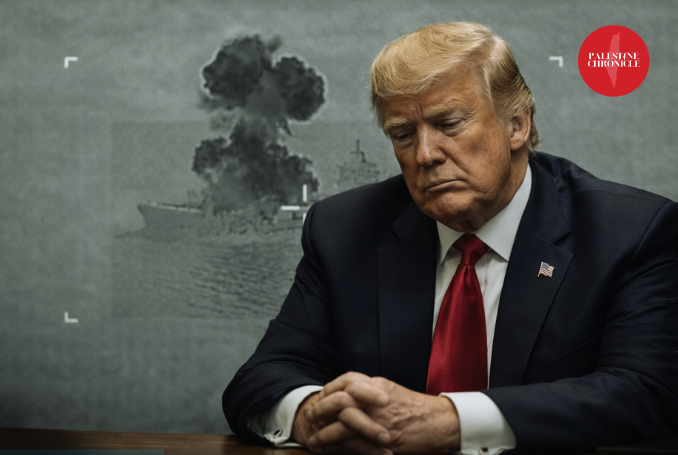

The US sought Pakistan’s help to secure a ceasefire with Iran amid mounting pressure, exposing the limits of Washington’s war strategy, FT reports.
Key Takeaways
- US relied on Pakistan as intermediary to push Iran toward ceasefire.
- Back-channel talks reveal urgency driven by oil prices and battlefield realities.
- Ceasefire reflects pressure on Washington rather than a decisive military outcome.
FT: Washington Turns to Islamabad
The United States turned to Pakistan to broker a ceasefire with Iran after weeks of escalation, highlighting mounting pressure on Washington as the war strained both military and economic calculations, the Financial Times reported on Thursday.
According to people familiar with the talks, “for weeks the Trump administration was leaning on Islamabad to convince the Iranians to agree a pause in fighting where it would reopen the Strait of Hormuz.”
‘Clear and Explicit’: Iran Says Ceasefire Must Include Lebanon or War Continues
Pakistan’s role was central, with officials believing Tehran would be more receptive to a proposal delivered by a Muslim-majority state that had maintained neutrality.
The effort culminated in a two-week ceasefire announcement involving the US, Iran, and Israel, brokered through intensive back-channel diplomacy led by Pakistan’s military leadership.
A Ceasefire Driven by Pressure
Despite public escalation, including threats by President Donald Trump to destroy Iran’s “whole civilization,” the report indicates that Washington had been actively seeking a ceasefire well before the final agreement.
According to the FT, “Trump, worried about surging oil prices and surprised by a resilient Iranian regime, was eager for a ceasefire since at least his first threat on March 21 to ‘obliterate’ Iran’s power plants.”
The contradiction between public rhetoric and private diplomacy reflects growing concern within the administration about the sustainability of the war effort, particularly as Iran maintained pressure through missile strikes and disruption of the Strait of Hormuz.
Over 250 Killed in Lebanon as Israeli Strikes Continue, Hezbollah Responds
Pakistan emerged as the key intermediary in the negotiations, with army chief Asim Munir leading a series of high-level communications between Washington and Tehran.
The report states that “shortly after Trump issued his first ultimatum to open the strait, Munir and other senior Pakistani officials began passing messages between Iranian political and military figures and the White House.”
Islamabad facilitated the exchange of proposals, including a US-drafted 15-point plan and Iranian counterproposals, while also presenting itself as a potential venue for peace talks.
Pakistan’s Prime Minister Shehbaz Sharif publicly announced the two-week ceasefire proposal after consultations with Iranian Foreign Minister Abbas Araghchi, underscoring Islamabad’s role in shaping the final outcome.
Oil, Hormuz, and Strategic Limits
At the center of the negotiations was the Strait of Hormuz, whose closure had disrupted global energy markets and driven oil prices higher.
The US priority was to reopen the waterway, through which roughly 20 percent of global oil flows.
Pakistan’s mediation focused on securing the Iranian agreement to a ceasefire tied to restoring maritime traffic.
However, the report notes that Iran sought to retain leverage, including provisions related to control of the strait and the possibility of charging transit fees—points that raised concerns among Pakistani officials.
‘Severely Punished’: Iran Warns Warns Talks ‘Meaningless’ after Israeli Massacres
China also played a secondary role in the diplomatic process, according to the report, with Beijing supporting a five-point plan alongside Pakistan.
However, the FT stated there is “no public evidence that Beijing pressured Tehran” to accept the final deal, despite claims from US officials.
China’s interest appears tied to stabilizing energy flows and protecting its economic ties with Gulf states rather than directly shaping the ceasefire outcome.
(PC, Financial Times)


Be the first to comment