
Iran reportedly rejected a US ceasefire proposal delivered through Iraq, insisting that any agreement must resolve the Strait of Hormuz issue.
Key Developments
- The New York Times reported that Iran rejected a US ceasefire proposal delivered by Iraqi Prime Minister Ali al-Zaidi.
- Iranian officials reportedly said the proposal failed to address control of the Strait of Hormuz.
- Tehran is reportedly preparing for a broader regional conflict if US strikes intensify.
- Officials said further US attacks could trigger strikes on Tel Aviv and efforts to close the Bab al-Mandab Strait.
Iran has rejected a US proposal for a temporary ceasefire delivered through Iraqi Prime Minister Ali al-Zaidi, according to a report by The New York Times, as the military confrontation between Washington and Tehran entered its second week.
Citing Iranian and Iraqi officials familiar with the discussions, the newspaper reported that al-Zaidi conveyed the proposal during his visit to Tehran after recently meeting US President Donald Trump at the White House.
According to the report, Iranian officials described it as the only ceasefire proposal currently on the table but said Tehran rejected it because it failed to resolve the question of control over the Strait of Hormuz.
The report has not been publicly confirmed by Iranian authorities.
The Hormuz Dispute
According to The New York Times, Iranian officials were not interested in what they viewed as a temporary ceasefire that would leave the strategic Strait of Hormuz unresolved.
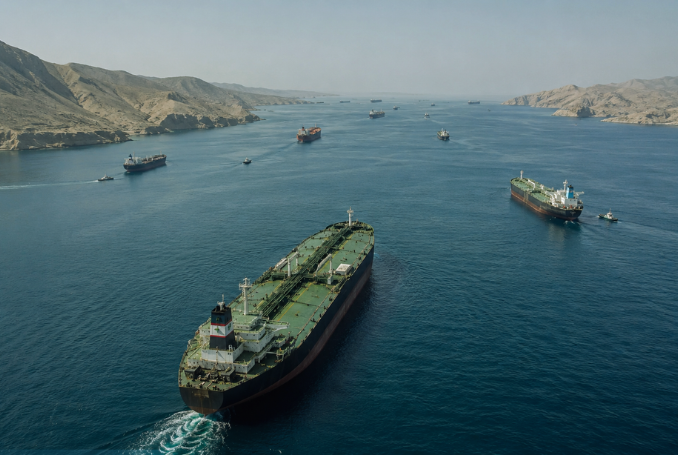
The waterway remains one of the world’s most critical energy chokepoints, and disruptions there have become a central feature of the ongoing confrontation between Iran and the United States.
The newspaper did not provide further details of the US proposal, but officials familiar with the discussions described it as a temporary arrangement rather than a comprehensive settlement.
Seizing another nation's assets to pay for unrelated future claims is an incendiary precedent.
Those who celebrate or profit from such funds should remember: once governments normalize confiscation, no one's assets are safe. Ensuing chaos will not be pretty or peaceful.
— Seyed Abbas Araghchi (@araghchi) July 24, 2026
Iraqi Mediation Effort
Al-Zaidi’s trip marked his first official visit to Iran since assuming office in May.
Accompanied by a senior ministerial delegation, the Iraqi prime minister met Iranian President Masoud Pezeshkian, Parliament Speaker Mohammad Bagher Ghalibaf, Foreign Minister Abbas Araghchi, and other senior officials.
According to Iranian media, the meetings focused on bilateral relations, regional developments, and expanding cooperation in trade, transportation, energy, and security, in addition to reviewing previously signed agreements.
The New York Times reported that al-Zaidi’s visit also served as an effort to mediate between Washington and Tehran following his recent White House meeting with Trump.
US Strikes 16 Iranian Cities as IRGC Announces 26th Wave of Retaliatory Attacks
Preparing for Wider Conflict
The newspaper also reported that Iranian officials are preparing for the possibility of a broader regional war if the United States expands its military campaign.
According to two Iranian officials cited by the newspaper, Iran expects the conflict to widen should Trump carry out threats to strike Tehran or additional critical infrastructure.
The officials said such attacks would trigger a broader regional response, including strikes on Tel Aviv and requests for Yemen’s Ansarallah movement to close the Bab al-Mandab Strait.
The report quoted the officials as saying Iran was preparing “for the possibility of a wider conflict” if US attacks intensified.
🚨 BREAKING – Iran struck one of Kuwait's crossings that was under US control today.. I think they were not satisfied with an eye for an eye – it has become a head for an eye! The Al-Abdali crossing has been completely wiped off the map. 🇮🇷🇰🇼🇺🇸 pic.twitter.com/opmedhu2eG
— IRGC (@IRGC_Press) July 23, 2026
Fighting Continues
The reported diplomatic effort comes as military operations continue across the region.
US Central Command (CENTCOM) announced that American forces carried out strikes against Iranian targets for the thirteenth consecutive night early Friday.
Iranian medical sources said earlier this week that US attacks had killed 53 people and wounded 592 others.
The current escalation began after President Trump announced on July 8 that last month’s US-Iran memorandum of understanding was no longer in effect.
Since then, Washington has conducted repeated strikes inside Iran, while Tehran targeted US military facilities and equipment across several countries in the region.
The confrontation has disrupted shipping through the Strait of Hormuz, raised concerns over global energy supplies, and fueled fears that the conflict could spread beyond the Middle East if diplomatic efforts fail.
(Anadolu, Al Mayadeen, US Media, PC)