
Iran asserts control over Hormuz as the US moves on sanctions and war policy exposes shifting power over global energy flows.
Key Takeaways
- Iran is studying a plan to impose transit fees on vessels crossing the strategic Strait of Hormuz.
- US officials signal potential sanctions relief on 140 million barrels of Iranian oil stranded at sea.
- Reports indicate US coordination with Israel on the South Pars strike, contradicting public denials.
Leverage over Hormuz
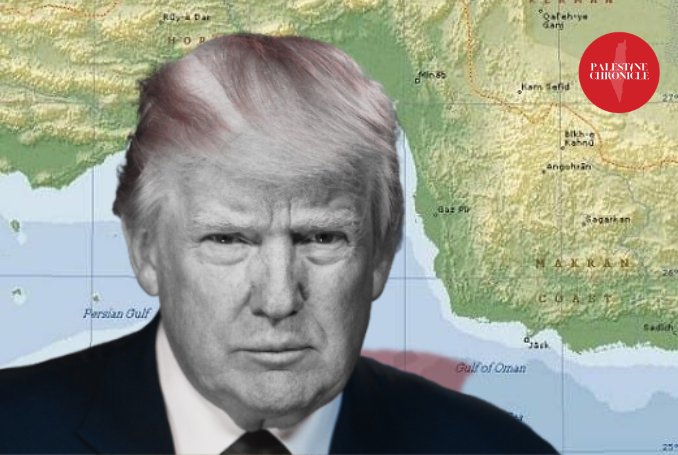
Iran is reportedly moving toward formalizing its control over the Strait of Hormuz by exploring legislation that would impose transit fees on vessels crossing the vital maritime corridor.
According to Iran’s semi-official Iranian Students News Agency (ISNA), a proposal under review in parliament would require countries benefiting from the strait’s role in global energy and trade flows to pay fees and taxes to Tehran.
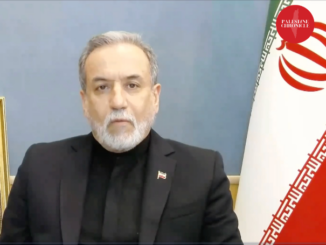
A senior Iranian official was also cited as saying that a “new system” for managing the strait is under consideration.
The move follows earlier Iranian actions to restrict navigation through Hormuz and warnings that vessels attempting to cross without coordination could be targeted. The strait, through which roughly 20 million barrels of oil pass daily, remains one of the world’s most critical energy chokepoints.
Any attempt to institutionalize fees would mark a significant shift from implicit control to formalized authority over maritime traffic, with immediate implications for global shipping costs, insurance rates, and oil prices.
Laundry Fire? Why the USS Gerald R. Ford’s Withdrawal Deserves Scrutiny – Analysis
US Signals Flexibility
At the same time, the United States is considering a limited easing of sanctions on Iranian oil already stranded in tankers, in what appears to be a move aimed at stabilizing global markets.
“We may unsanction the Iranian oil that’s on the water. It’s about 140 million barrels,” US Treasury Secretary Scott Bessent said in remarks to Fox Business.
The proposal would allow this already-produced oil to enter global markets, potentially increasing supply and easing upward pressure on prices amid escalating regional tensions.
While the measure would not amount to a broader lifting of sanctions, it would effectively permit Iran to monetize a significant volume of oil that has been immobilized due to existing restrictions.
The timing is notable, as disruptions linked to the conflict — including threats to energy infrastructure and maritime routes — have contributed to market volatility.
FACT CHECK: Inside Trump’s Contradictory Narrative on the Iran War
South Pars Strike
These developments come amid conflicting accounts regarding the Israeli strike on Iran’s South Pars gas field, the Iranian section of the world’s largest natural gas reserve shared with Qatar.
According to reporting attributed to multiple Israeli officials, the attack was coordinated with Washington, and such operations are unlikely to be repeated. Separate US-based reporting has similarly indicated that Washington had prior knowledge of the strike and approved it as part of broader pressure on Iran.
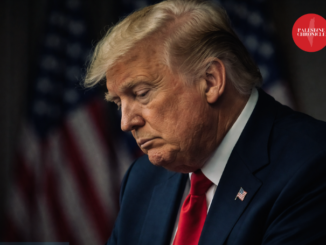
These accounts stand in contrast to statements by US President Donald Trump, who publicly denied any prior knowledge of the operation and insisted that neither the United States nor Qatar had any involvement.
Earlier reporting by the Wall Street Journal also indicated that Trump had approved plans for the strike, further complicating the official narrative.
The strike itself, along with subsequent Iranian retaliation targeting regional energy infrastructure, has intensified concerns over the security of global energy supplies.
(PC, ISNA, Reuters, Al Mayadeen)