
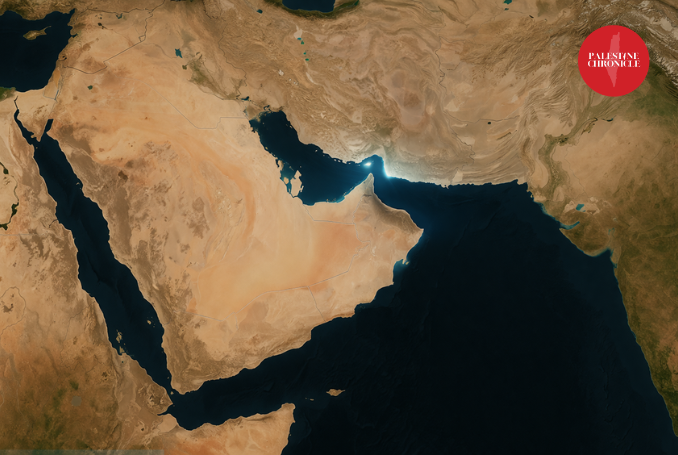
Iran increases oil exports to 1.5 million barrels daily, leveraging war-driven volatility and rising global energy prices.
Key Developments
- Iran’s oil exports reached 1.5 million barrels daily, marking a 50% increase during wartime conditions
- Restrictions in the Strait of Hormuz have driven global oil prices higher and intensified market instability
- Tehran benefits from rising crude prices as war disrupts regional energy infrastructure and global supply chains
Exports Surge
Iran has significantly increased its oil exports despite the ongoing war involving the United States and Israel, reaching approximately 1.5 million barrels per day.
According to the semi-official Tasnim News Agency, export volumes exceeded 1.5 million barrels daily during the month of Ramadan, representing a roughly 50% increase compared to earlier levels.
The report indicated that Iran has been able to sell larger quantities of oil at prices closer to global benchmarks, directly boosting its oil revenues amid heightened regional instability.
This development comes despite continued military attacks since February 28, which have targeted Iranian infrastructure and intensified pressure on the country’s economy.
‘War Not Confined to Iran’ — Ansarallah Signals Readiness to Intervene in Iran War
Hormuz Pressure
The increase in exports coincides with mounting disruptions in global energy markets linked to the US-Israeli war and Iran’s decision to restrict navigation in the Strait of Hormuz.
The strait remains one of the world’s most critical oil transit routes, with approximately 20 million barrels passing through it daily.
Restrictions imposed in the waterway have driven up shipping and insurance costs, contributing to rising oil prices and broader inflationary pressures worldwide.
The uncertainty surrounding access to the strait has also raised concerns among global investors, particularly as the war continues to escalate across multiple fronts.
Iran Responds to US Proposal, Sets Conditions to End War – Report
Iran’s Profits
According to Asharq Business with Bloomberg, Iran has likely generated hundreds of millions of dollars in additional revenue since the outbreak of the war.
The increase is attributed to higher crude prices combined with disruptions affecting other exporters, allowing Tehran to capitalize on favorable market conditions despite sanctions and military pressure.
The report suggests that limited access to the Strait of Hormuz for some competitors has further enhanced Iran’s ability to expand its market share.
At the same time, global markets have become increasingly volatile, with energy prices responding sharply to developments on the battlefield and shifts in supply routes.
‘Germany Faces Growth Collapse from Iran War’ — Putin: Global Economy Near ‘Paralysis’
Global Risk
Investors and policymakers remain concerned about the broader implications of the conflict for global energy security.
Energy facilities across Gulf countries and within Iran itself are facing heightened risks of attack, raising fears of further disruptions to supply.
There is also growing concern that Iranian energy infrastructure could become a direct target in potential US or Israeli strikes, which could trigger significant economic and environmental consequences.
As the war continues, the pressure on global energy markets is expected to persist, with volatility driven by both military developments and strategic decisions affecting key transit routes.
(PC, Tasnim, Anadolu)






Be the first to comment