
Iran threatened military escalation and suspended talks with Washington as Hezbollah intensified attacks and killed an Israeli officer.
Key Developments
- Iran warned northern settlers leave and threatened direct military action if Beirut is attacked.
- Tehran reportedly suspended negotiations and message exchanges with Washington over continued Israeli attacks on Lebanon.
- Hezbollah intensified operations in southern Lebanon, while Israel acknowledged the death of a military officer and multiple injuries.
The regional crisis surrounding Lebanon deepened dramatically on Monday as Iran threatened direct military intervention in response to any Israeli attack on Beirut, reportedly suspended negotiations with the United States, and warned that new fronts could be opened across the region.
Meanwhile, while Hezbollah intensified operations against Israeli forces and inflicted one of its deadliest blows in recent weeks.
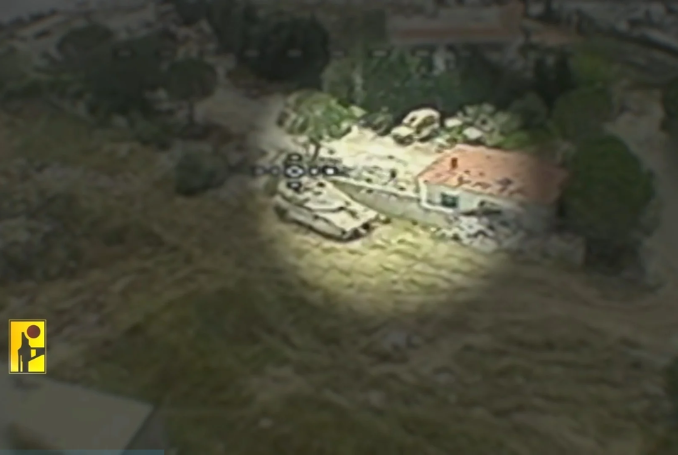
الإعلام الحربي ينشر مشاهد من عملية استهداف نقطة تموضع لجنود وآلية "هامفي" تابعة لجيش الاحتلال في محيط قلعة الشقيف التاريخية جنوبيّ #لبنان بمسيّرتي أبابيل الانقضاضيتين.#الميادين_لبنان pic.twitter.com/C2nUYc5Ugc
— الميادين لبنان (@mayadeenlebanon) June 1, 2026
Unprecedented Warning
Iran’s Khatam al-Anbiya Central Headquarters issued a warning to Israeli settlers in the northern regions and military settlements across the territory, declaring that they should leave immediately if Israeli Prime Minister Benjamin Netanyahu carries out threats to bomb Beirut or its southern suburbs.
In a subsequent statement, Iranian forces declared the Upper Galilee, Lower Galilee, the occupied Golan Heights and Haifa a potential military zone in the event of an Israeli attack on Beirut or the southern suburbs.
The statement warned that the designated area could become a target for Iranian armed forces and urged settlers to evacuate.
Iranian officials simultaneously linked the warning to broader regional developments.
The Intelligence Organization of the Islamic Revolutionary Guard Corps (IRGC) said Tehran considers violations of what it described as red lines in Lebanon and Gaza to constitute a direct war affecting Iran’s national security and the wider Axis of Resistance.
The organization warned that Iran is prepared to take deterrent measures, open new fronts and maintain what it described as the Hormuz equation.
الإعلام الحربي ينشر مشاهد من عملية استهداف تجمّع لجنود الاحتلال الإسرائيلي في محيط قلعة الشقيف التاريخية جنوبيّ #لبنان، بمسيّرة أبابيل الانقضاضية.#الميادين_لبنان pic.twitter.com/8Fo9yTihgq
— الميادين لبنان (@mayadeenlebanon) June 1, 2026
Talks Halted
The warnings were accompanied by reports from Iran’s Tasnim News Agency that Tehran’s negotiating team had decided to suspend talks and exchanges of draft texts with the United States through mediators.
According to Tasnim, the decision was linked to continuing Israeli military operations in Lebanon, which Iranian officials argue violated conditions underpinning the ceasefire arrangement.
Iranian officials reportedly insist on an immediate halt to Israeli military operations in both Gaza and Lebanon, along with a complete Israeli withdrawal from Lebanese territory, before negotiations can resume.
The agency further reported that Iran and its allies are considering additional measures, including the full closure of the Strait of Hormuz and activation of other strategic pressure points, including the Bab al-Mandab Strait.
Iranian Foreign Minister Abbas Araghchi reinforced the position, stating that the ceasefire between Iran and the United States encompasses all fronts, including Lebanon, and that a violation on one front should be considered a violation of the entire agreement.
President Masoud Pezeshkian, meanwhile, expressed concern over developments in Lebanon and called on the international community to assume responsibility for halting the escalation.
Iranian Parliament Speaker Mohammad Bagher Qalibaf accused Washington of failing to uphold ceasefire commitments, while Iranian military officials warned that continued Israeli actions in Lebanon would not be tolerated indefinitely.
للتنبيه العاجل:
وقف إطلاق النار بين إيران والولايات المتحدة يُعدّ، من دون أي لبس، وقفاً شاملاً لإطلاق النار في جميع الجبهات، بما في ذلك لبنان.
وإن انتهاك هذا الوقف في أي من الجبهات يُعد انتهاكاً له في جميع الجبهات.
وتتحمل الولايات المتحدة وإسرائيل مسؤولية تبعات أي انتهاك للهدنة. https://t.co/ib3qupctnk— Seyed Abbas Araghchi (@araghchi) June 1, 2026
Trump Claims Progress
The escalation unfolded only hours after US President Donald Trump announced what he described as productive contacts aimed at preventing further deterioration.
Trump said he held a productive conversation with Netanyahu and claimed that no Israeli forces would enter Beirut.
He also asserted that, through high-level intermediaries, he had established contact with Hezbollah and that the movement had agreed to halt attacks, while Israel would likewise refrain from attacking Hezbollah.
Regarding reports that Iran had suspended negotiations, Trump said he had not been informed of such a decision but added that if the reports were accurate, “that’s okay.”
He indicated that Washington would maintain its blockade measures while avoiding immediate military escalation.
الإعلام الحربي في المقاومة الإسلامية ينشر مشاهد من عملية استهداف بتاريخ 27-05-2026 آلية تابعة لجيش العدو الإسرائيلي في معسكر غابات الجليل شمال فلسطين المحتلّة بمحلّقة #أبابيل الانقضاضية.#الميادين pic.twitter.com/UQqIFiX9QD
— الميادين لبنان (@mayadeenlebanon) May 31, 2026
Hezbollah Intensifies Operations
Meanwhile, fighting on the ground continued to intensify.
Hezbollah announced a series of operations targeting Israeli troop concentrations, military vehicles and positions across southern Lebanon and northern Israel.
The movement reported repeated rocket attacks against Israeli forces near the historic Beaufort Castle (Al-Shaqif), Dabbin, Qantara and Qawzah, alongside strikes on Kiryat Shmona and the Metula military position.
It also announced successful drone attacks using Ababil drones against Israeli military targets.
Earlier in the day, Hezbollah’s operations room said the movement was engaged in a sustained war of attrition against Israeli forces deployed around Beaufort Castle and surrounding areas.
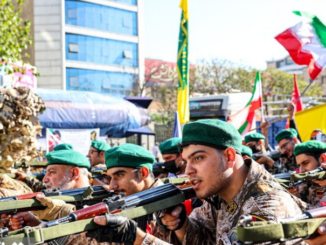
To All American Soldiers!
We hope you’ve been informed that #IRAN is the place where Palestinian, Lebanese, Iraqi, and Yemeni fighters have mastered ground combat at a highly professional level!
You’re about to face a true master of ground warfare:
Welcome To IRAN, Habibi! pic.twitter.com/rEd0XFRlaU— Iran Military Media ☫ (@IRMilitaryMedia) March 26, 2026
Israeli Officer Killed
Late Monday, the Israeli military acknowledged the death of a military officer holding the rank of captain in the Givati Brigade and the injury of seven others, including four officers and a battalion commander, in a Hezbollah drone attack in southern Lebanon.
According to Israeli military radio, Hezbollah launched six explosive drones toward a concentration of soldiers and a Namer armored vehicle near Zawtar al-Sharqiya, close to the Beaufort area.
Among the seriously wounded were the operations officer of the Shaked Battalion and a platoon commander, while the battalion commander himself was also injured.
The admission came one day after Israel acknowledged the death of another soldier from the Givati Reconnaissance Unit in a separate Hezbollah drone attack in the same area.
Israeli military officials have increasingly acknowledged that Hezbollah’s expanding drone campaign has become a significant challenge, with attacks continuing despite ongoing ground operations in southern Lebanon.
(Tasnim, PC, Al Mayadeen, Iranian Media, X)