
By Romana Rubeo 
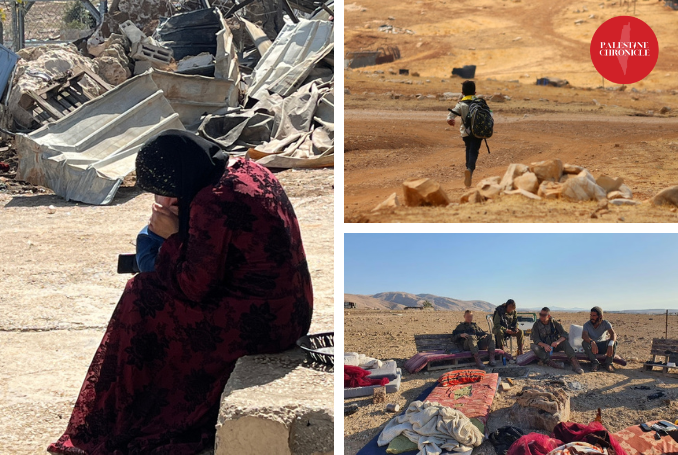
A new report reveals how sexualized violence is systematically used to pressure Palestinian communities into displacement across the occupied West Bank.
Key Facts
- At least 16 cases of conflict-related sexual violence were documented by illegal settlers and soldiers.
- More than 70% of displaced households cited threats to women and children as the main reason for leaving.
- 84% of households experienced settler violence alongside systemic coercive pressures.
- 87% of women lost all sources of income following displacement.
- 90% of women reported psychological trauma, while 63% observed severe distress among children.
Sexualized Violence Driving Displacement
A new report by the West Bank Protection Consortium (WBPC), titled Sexual Violence and Forcible Transfer in the West Bank, presents evidence that sexualized violence is not incidental, but embedded within a broader system of coercion shaping Palestinian displacement.
The report notes that such violence “operates within a coercive environment that contributes to the forcible transfer of Palestinian communities,” placing it within a wider pattern of pressure affecting daily life, mobility, and security.
According to the findings, sexualized violence plays a decisive role in displacement decisions. The report explains that “taken together, the evidence shows how sexualised violence is used to pressure communities, shape decisions about remaining or leaving their homes and land, and alter patterns of daily life.”
While documenting at least 16 cases of conflict-related sexual violence, the report stresses that the phenomenon is likely far more widespread due to underreporting.
It further concludes that these abuses “function as a coercive tool that penetrates domestic space, fractures family life and renders continued civilian residence untenable.”
A Layered System of Coercion
The report situates sexualized violence within a broader escalation across the occupied West Bank, where displacement is driven by the cumulative effect of multiple pressures.
These include settler violence, military operations, restrictions on movement, economic collapse, and administrative measures affecting land and housing.
Since 2023, displacement has accelerated sharply, with entire communities emptied and thousands forced from their homes. The report emphasizes that these outcomes are not triggered by isolated events but by sustained conditions that erode the possibility of remaining.
“Forcible transfer does not require physical force. It occurs when coercive conditions leave civilians with no genuine choice but to flee,” the report states.
Within this framework, sexualized violence emerges as a central mechanism, particularly because it targets family structures and social norms.
The report notes that “more than 70% of displaced households interviewed identified threats to women and children, particularly sexualised violence, as the decisive reason for leaving.”
These patterns, it adds, align with internationally recognized warning signs of escalating atrocity risk, including discrimination, normalization of violence, and the absence of accountability.
Intrusion into Homes and Social Fabric
One of the report’s most significant findings is the shift in where and how violence occurs. Incidents increasingly take place inside homes and private spaces, marking a profound escalation in both intensity and impact.
The report cites field testimony indicating that illegal Israeli Jewish “settler behaviour is becoming increasingly sexualised, directed at both Palestinians and protective presence activists. We’ve seen unwanted touching, groping, and lewd gestures used deliberately to intimidate and humiliate. Sexualised harassment becomes part of the threat environment, signalling a deeper breakdown in restraint and a move towards more coercive tactics.”
Women and children are increasingly targeted, often in moments when men are absent. As one testimony cited in the report states, “there used to be an unwritten rule that women and children were off-limits. That completely does not exist anymore.”
The report documents how such acts reshape family life, with harassment, surveillance, and threats extending into the most intimate spaces.
In several cases, sexualized violence marked the tipping point for displacement. One account cited in the report states: “This was the last incident that happened before we left. It was the straw that broke the camel’s back. This method is what forced us to leave our land in exchange for protecting the women.”
Displacement as a Process, Not an Event
The report makes clear that displacement unfolds gradually, through sustained pressure that reshapes decision-making within households.
Families adopt coping strategies that reflect both fear and constraint. These include restricting women’s movement, separating households, and, in some cases, arranging early marriages for girls to reduce perceived risk.
The report documents that “at least six families reported choosing early marriage for their daughters between the ages of 15 and 17 to remove them from this environment.”
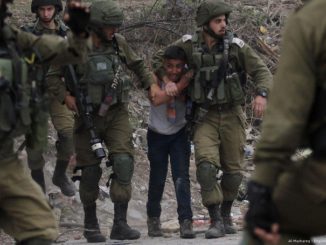
In parallel, men and boys face heightened exposure to physical violence, detention, and humiliation, further destabilizing family structures.
Over time, these pressures converge, leaving families with what the report describes as no viable option but to leave.
After Displacement: Trauma and Collapse
The report highlights the severe and lasting consequences of displacement, particularly for women and children.
It states that “90% of women reported increased psychological stress and trauma, while 63% of participants observed heightened fear, anxiety and distress among children.”
Displacement also results in widespread economic collapse. According to the report, “87% of women who experienced forcible transfer reported losing all sources of income,” reflecting the destruction of livelihoods tied to land, agriculture, and community networks.
Beyond material loss, the report describes a broader breakdown of social structures, with families relocated to precarious environments lacking stability, services, or protection.
Legal Implications and Accountability
The report frames its findings within international humanitarian and human rights law, emphasizing that the documented patterns may meet the threshold for forcible transfer.
It reiterates that “forcible transfer does not require physical force. It occurs when coercive conditions leave civilians with no genuine choice but to flee.”
Where sexualized violence contributes to such conditions, the report suggests, it becomes directly relevant to legal assessments of forced displacement.
The findings also raise questions regarding accountability, particularly in cases where incidents occur in the presence of Israeli forces without intervention.
(The Palestine Chronicle)
– Romana Rubeo is an Italian writer and the managing editor of The Palestine Chronicle. Her articles appeared in many online newspapers and academic journals. She holds a Master’s Degree in Foreign Languages and Literature and specializes in audio-visual and journalism translation.
Be the first to comment