

Shipping attacks around Hormuz reached a wartime monthly high as Tehran said restoring security required Washington to fulfill its obligations.
Key Takeaways
- More than 30 shipping incidents were reported to UKMTO in October, the highest monthly tally since the war began in February.
- Iran said security could be restored to the Strait of Hormuz if Washington fulfilled its commitments, while pledging to confront the US naval blockade.
- Commercial traffic through the strait remains approximately 65% below prewar levels, with maritime monitors warning that many attacks go unreported.
Attacks on commercial shipping in and around the Strait of Hormuz reached their highest monthly level of the US-Iran war in October, as Iran reiterated its support for a negotiated solution and said restoring security depended on Washington honoring its obligations.
More than 30 incidents were reported to the UK Maritime Trade Operations Centre (UKMTO) in October, compared with an average of roughly 10 per month previously, according to official figures cited by Anadolu. At least 22 attacks were recorded in November through Sunday across the strait, the Gulf and the Gulf of Oman.
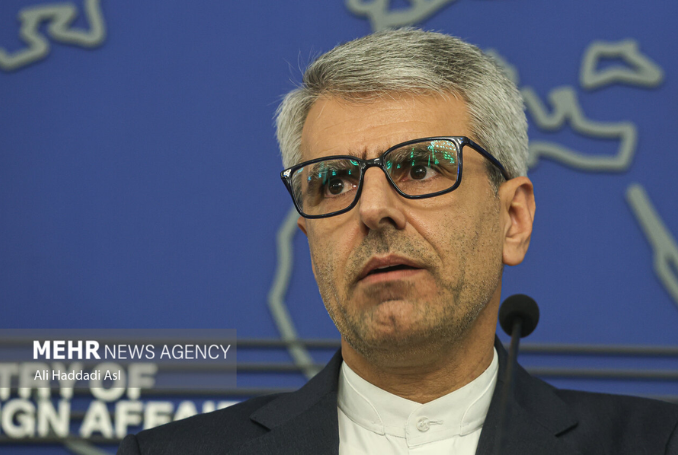
Iranian Foreign Ministry spokesman Ismail Baghaei said at a press conference that Tehran remained committed to peaceful solutions. Restoring security to the waterway would be easy, he said, if the American side “fulfilled its obligations.”
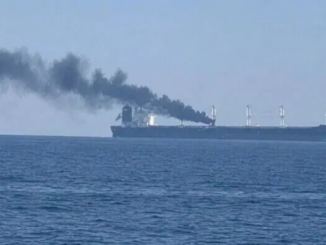
Another oil tanker is burning in the Strait of Hormuz off Oman.
The cause is yet to be known. https://t.co/i0Ccw5oCs1 pic.twitter.com/EJGz8n30p7
— Chay Bowes (@BowesChay) November 23, 2026
Shipping Attacks Reach Wartime High
October marked the first month in which incidents reported to UKMTO surpassed 30 since the conflict began in late February. Separate International Maritime Organization figures also identified October as the month with the highest number of confirmed incidents this year.
The recorded figures may capture only part of the disruption. In its weekly overview published Friday, UKMTO said its tally included incidents verified through primary sources, while additional known incidents remained outside the count because they could not be independently verified.
The agency had warned in mid-October that most vessels subjected to attacks were declining to report them. Many ships have also switched off their tracking devices to avoid detection, further complicating efforts to monitor shipping and establish the full scale of incidents.
Commercial traffic through the strait remains approximately 65% below pre-conflict levels following Iranian efforts to halt shipping and the US blockade on Iranian ports. Before the war, the waterway carried roughly one-fifth of global oil supplies.
Despite the continuing disruption, global oil prices have recently declined. The International Energy Agency attributed the fall to recovering Gulf exports and easing concerns about fresh US military action following the American midterm elections.
Iran Demands US Fulfill Its Obligations
Baghaei’s remarks placed responsibility for restoring maritime security on Washington’s compliance with its commitments, while reaffirming Tehran’s willingness to pursue peaceful solutions.
He described Iran as an essential regional actor and said Tehran had held contacts with China and Russia, which he characterized as friendly countries, before a trilateral summit involving the United States.
The IRGC Navy says two non-compliant supertankers attempting unauthorized Hormuz transit have exploded and caught fire after striking naval mines.
Follow: https://t.co/aZSJl7lYPb pic.twitter.com/cL8QbnKvcM
— Press TV 🔻 (@PressTV) November 23, 2026
The spokesman also rejected American allegations concerning a “dirty bomb,” accusing Washington of seeking new grounds for military action after failing to substantiate its portrayal of Iran as a nuclear threat.
The allegations were intended to “find justifications for aggression after their failure to promote the claim of an Iranian nuclear threat,” Baghaei said.
He accused US officials of continuing to advance misleading explanations because they “do not have answers for their people about the reasons for the aggression against Iran.”
Addressing Lebanon, Baghaei said the central problem remained Israel’s occupation of Lebanese territory and its daily attacks.
Tehran Vows to Confront Naval Blockade
Baghaei said Iran would use all available means to confront the American naval blockade.
His comments followed remarks Sunday by Brigadier General Qassem Qureshi, deputy head of the Basij Resistance Force, who said Iran had developed a plan to break the blockade by land and sea and had already taken effective measures.
In a separate statement, Qureshi said the US embargo had given Tehran an opportunity to sell its oil at prevailing global market prices.
The blockade and restrictions on navigation remain central to the confrontation, with shipping traffic sharply reduced even as Gulf exports recover and diplomatic efforts continue.
(PC, AA, Al Mayadeen)


Be the first to comment