
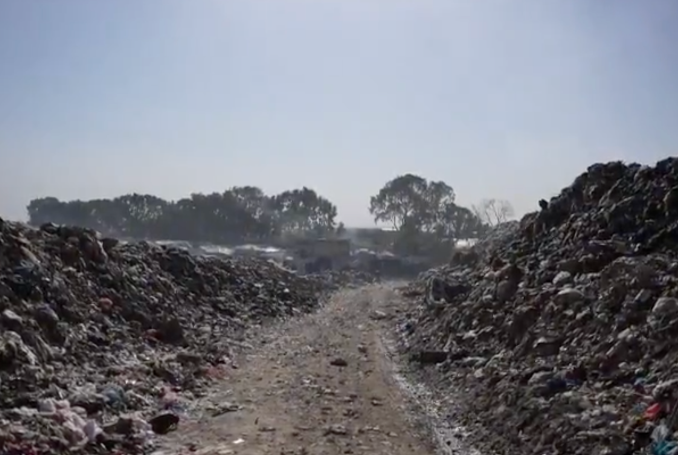

Israeli bombardment and destruction have left almost all Gaza facing potential environmental contamination, threatening Palestinians’ health for generations, researchers warn.
Key Takeaways
- An Oxfam and CEOBS report identified indicators of potential environmental contamination across more than 99% of Gaza.
- Heavy metals, explosive residues, asbestos and other pollutants threaten exposure through air, food, water, soil and debris.
- Damaged water infrastructure, sewage overflow and contaminated dust pose particular risks to children and threaten Gaza’s recovery.
Israeli assaults have left more than 99% of Gaza showing indicators of potential environmental contamination, threatening to expose Palestinians to toxic substances for generations, according to a report released Monday by Oxfam and the Conflict and Environment Observatory (CEOBS).
The assessment found that the scale and intensity of the assaults had affected approximately 78% of Gaza’s land area.
Their environmental consequences extend further, with potential contamination threatening the air, soil and water on which the population depends for survival.
Drawing on satellite imagery, remote sensing, scientific analysis and open-source data, researchers identified risks involving heavy metals, explosive residues, asbestos from destroyed buildings, dioxins and biological pollutants.
NEW: Israel's genocidal campaign in Gaza has contaminated the region’s air, soil, and water to the point where it will be dangerous to Palestinians for decades to come, according to a major new report 👇 pic.twitter.com/RBaktwSeiP
— The National (@ScotNational) November 23, 2026
Toxic Exposure Threatens Generations
Oxfam International Executive Director Amitabh Behar warned that the destruction of Gaza’s environment had severely undermined the conditions necessary for human safety and survival.
“Palestinians living in Gaza are being exposed to toxins in multiple ways through air, food, water and via direct contact with contaminated soils and debris. These risks will persist for generations to come, unless clean-up, remediation and recovery actions are prioritized,” Behar said.
The highest levels of potential contamination were concentrated in Gaza City, Khan Yunis, Rafah, Jabalia and along Salah al-Din Road, reflecting the combined effects of bombardment, widespread destruction and overlapping pollution sources.
For residents, exposure can occur through everyday activities, including drinking water, eating food and moving through areas filled with contaminated debris. Behar emphasized that Gaza’s dense population and Palestinians’ limited ability to escape exposure made the findings particularly alarming.
Damaged Water Systems
The assessment found evidence of deteriorating groundwater quality. Fecal coliform bacteria were detected in 19% of 79 groundwater wells sampled in July 2026, compared with a reported contamination rate of 2% in 2021.
North Gaza, Gaza City and Deir al-Balah face elevated risks of drinking water contamination, with damaged infrastructure, vulnerable groundwater, accumulated debris and sewage overflow combining to threaten supplies.
The dangers also extend to agricultural land. Around Beit Hanoun, Wadi Gaza and northeastern Khan Yunis, clay-rich soils are more likely to retain pollutants, increasing the risk of long-term contamination that could undermine agricultural production and food safety.
These findings place the damage to Gaza’s water and soil alongside the immediate destruction of homes and infrastructure, identifying threats that could continue to affect livelihoods and public health during recovery.
TOXIC contamination in air, soil and water affects 78% of Gaza — Oxfam and Conflict and Environment Observatory study
Israel's military offensive unleashed an ENVIRONMENTAL CATASTROPHE that is likely to impact Palestinians for decades to come pic.twitter.com/HuO5aBzsuZ
— RTBreaking (@RT_Breaking_) November 23, 2026
Contaminated Dust Endangers Children
Gaza City, Jabaliya and North Gaza Governorate were identified as facing the highest risks of air contamination. Pollutants from bombardment and destroyed buildings can spread through dust carried by wind or disturbed by vehicles and debris clearance.
The report warned that dust and pollution from destroyed buildings and waste burning could irritate the respiratory system, worsen asthma and cause lung injuries. Children are particularly vulnerable to prolonged exposure.
The assessment comes after more than three years of Israel’s genocide in Gaza, which has killed more than 74,000 Palestinians and wounded over 176,000, most of them women and children. Around 90% of the enclave’s infrastructure has been damaged or destroyed.
Oxfam’s warning places environmental cleanup and remediation among the urgent requirements for recovery, with contamination threatening the health of Palestinians who have survived the bombardment and the safety of the land and water they depend on.
(PC, AA Oxfam)



Be the first to comment