Iran retains leverage in negotiations as war reshapes global markets, with lasting economic damage despite the temporary ceasefire, CNN and FT report.
Key Developments
- CNN: Iran “holds more cards” and is in no rush to concede in talks.
- FT: War leaves “scar tissue” in global markets despite temporary ceasefire.
- Energy, debt, and confidence shocks expected to persist long-term.
Iran ‘Holds More Cards’ in Negotiations
Iran has emerged from negotiations with stronger leverage than the United States, according to analysis cited by CNN on Sunday, following 21 hours of talks that ended without agreement.
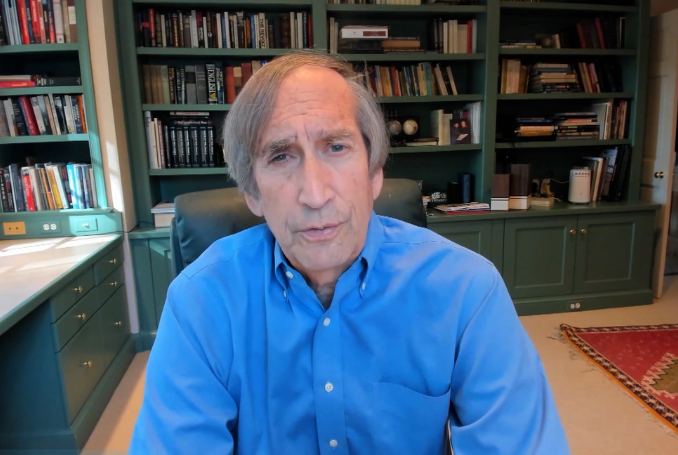
Former State Department negotiator Aaron David Miller reportedly said that “the Iranians hold more cards than the Americans.”
He added that Tehran is “clearly in no hurry to make concessions,” indicating a strategic decision to operate on a longer timeline than Washington.
Miller outlined several factors underpinning Iran’s position:
“It seems to me they still have the highly enriched uranium. They’ve demonstrated they’ve weaponized geography; they control and now manage the Strait of Hormuz. The regime has survived.”
He emphasized that these elements collectively represent strategic leverage:
“They’ve demonstrated a terrifying capacity to undermine security and stability. All of these things represent cards.”
According to Miller, Iran may even be willing to risk renewed military escalation rather than accept an unfavorable deal, suggesting confidence in its current position.
No Deal After 21 Hours: Iran Blames ‘Illogical’ US Demands, Says It is in ‘No Hurry’
‘Scar Tissue’ across Global Markets
While negotiations remain unresolved, the economic impact of the war is already reshaping global markets, according to the Financial Times.
According to the report, investors warned that the conflict will leave lasting “scar tissue”, even if a durable ceasefire is achieved.
James Vokins of Aviva Investors said: “It goes beyond the (reopening of the) Strait of Hormuz. I think there would be longer-lasting scar tissue that would need a higher risk premium.”
Despite the announcement of a two-week ceasefire, energy markets remain under pressure. Brent crude is still nearly 35 percent higher than pre-war levels, while bond yields across major economies remain elevated.
Energy Shock and Market Instability
The war triggered a sharp market reaction, with stocks and bonds falling simultaneously as Iran effectively closed the Strait of Hormuz, through which roughly one-fifth of global oil and gas flows.
Although markets rebounded following the ceasefire announcement, underlying instability persists.
Bill Papadakis of Lombard Odier said that “Even if the ceasefire proves to be a lasting one, the conflict was long enough, and leaves enough damage behind, that any reasonable macro scenario as of today looks meaningfully worse than the pre-conflict outlook.”
Declining Confidence in US Assets
The conflict has also raised concerns about the global financial system, particularly the perceived safety of US assets, according to analysts cited by FT.
George Pearkes of Bespoke Investment Group said: “Absolutely there is a bigger risk premium priced into US assets than before the war.”
Andrew Jackson of Vontobel added that confidence in the US dollar has weakened:
“The US economy is still the dominant economy in the world, but the confidence and predictability are definitely lower now.”
He further warned that “the US dollar curve is probably not the risk-free curve now.”
Kerry Bombshell: Netanyahu Pressed US Presidents to Attack Iran—Only Trump Agreed
According to the analysis, investors are already adjusting strategies in response to the conflict.
Bill Campbell of DoubleLine said: “We’re looking at adding to our local emerging markets allocation. That is a trend that is going to stick with us going forward.”
At the same time, European markets—more exposed to energy shocks—face increasing pressure.
Jim Caron of Morgan Stanley Investment Management said: “I don’t think that oil goes back down to the lows we saw earlier this year… Europe is going to have a much stiffer headwind.”
(PC, CNN, FT)


Be the first to comment