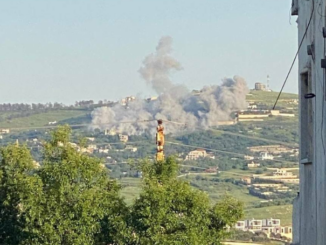

Senior Iranian leaders were among the primary targets of joint US–Israeli strikes on Iran, but Iranian state media says the country’s top officials remain safe.
Key Developments
- Senior Iranian political and military leaders were reportedly targeted in the opening wave of strikes.
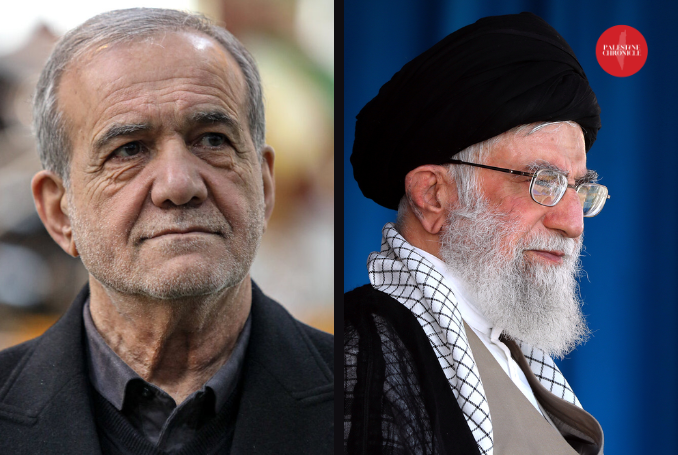
- Ayatollah Ali Khamenei and President Masoud Pezeshkian were among figures considered potential targets.
- Iranian state media says Pezeshkian is “safe and sound.”
- No confirmation of successful strikes against top leadership.
- Iran retaliated with missile attacks on US bases in the region.
Leadership Targeting
According to the US-based news website Axios, the joint US–Israeli offensive included plans to strike senior Iranian political and military leadership in what appeared to be a decapitation attempt.
Israeli officials told the outlet that Supreme Leader Ayatollah Ali Khamenei and President Masoud Pezeshkian were among those considered targets in the opening phase of the operation. Directly targeting Khamenei was reportedly among the military options reviewed by President Donald Trump. The first strike was said to have occurred near offices associated with the Supreme Leader in Tehran.
However, there has been no confirmation that any senior Iranian leaders were successfully hit.
LIVE BLOG: Iran Launches Crushing Retaliation after Large-Scale US-Israeli Attack
Iranian state media, citing official sources, reported that President Masoud Pezeshkian is “safe and sound” and has not been harmed in the strikes, reinforcing Tehran’s position that its leadership remains intact despite claims of targeted attacks.
The absence of verified casualties among Iran’s top officials suggests that the attempt to eliminate senior leadership figures may have failed.
Escalation and Crushing Response
Following the strikes, Iran launched missile attacks on US military bases across the region.
Iranian media reported that bases in Qatar, Kuwait, the United Arab Emirates, and Bahrain were targeted. The headquarters of the US Fifth Fleet in Bahrain was reportedly struck, according to regional reporting cited by international agencies.
The Iranian Foreign Ministry described the US–Israeli strikes as a violation of the UN Charter and characterized them as armed aggression. Officials stated that Iran’s response would be framed as an act of self-defense under international law.
President Trump, in a video statement released overnight, described the strikes as necessary to eliminate imminent Iranian threats and prevent the country from obtaining a nuclear weapon. Israeli Prime Minister Benjamin Netanyahu said the objective was to remove what he described as an existential threat.
Iran, Palestine and the Future of the Next Century: The Final Strategic Test
High-Risk Strategy
The apparent attempt to directly target Iran’s top leadership marks a significant escalation in US–Israeli strategy. Such operations carry high political and military risks, particularly if unsuccessful.
Axios reported that several of Trump’s senior advisers had privately warned about the danger of becoming entangled in a prolonged conflict. Regional governments hosting US bases have expressed concern that Iranian retaliation could destabilize the broader Gulf.
(PC, AXIOS, Al Mayadeen)