
Trump claims dominance in Iran talks, but Politico reports he may need concessions as negotiations stall and pressure mounts.
Key Developments
- Politico reports Trump may need to make concessions despite claiming leverage over Iran.
- US pushed Israel to halt Lebanon strikes to preserve negotiations with Tehran.
- Talks remain deadlocked over uranium enrichment and export of enriched material.
‘Holding the Cards’ — But Facing Limits
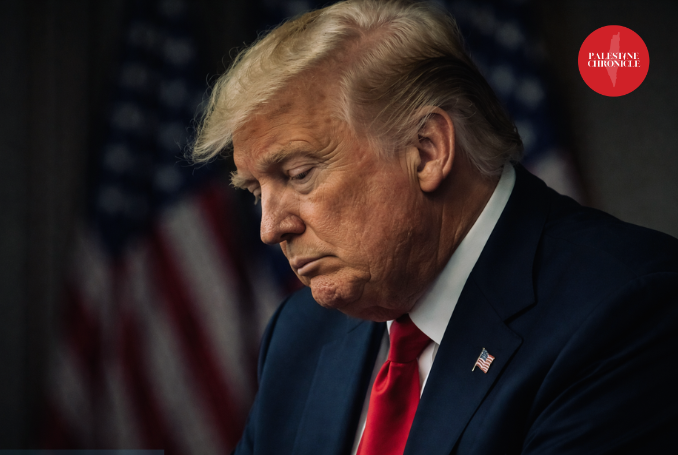
US President Donald Trump may ultimately be forced to make concessions to Iran despite repeatedly claiming that Washington “holds all the cards,” according to a report published by Politico on Friday, citing officials familiar with the negotiations.
The report notes that while Trump continues to project dominance publicly, the reality of stalled talks and mounting pressures may push the United States toward compromise in order to secure an agreement and bring hostilities to an end.
“I think he’s ready to make more compromises because he really wants this to end,” a senior Gulf official told Politico.
The same official added that Trump is “serious about the negotiations and really wants this to end, but the Iranians are still refusing to give him what he needs to save face and walk away.”
From ‘Lion’s Roar’ to ‘Tail Between Its Legs’: Israeli Analysis Points to Setback
US Adjusts Position on Lebanon
The report highlights a shift in US policy in recent days, particularly regarding Lebanon.
Trump had previously described Israeli strikes on Hezbollah as a “separate skirmish” unrelated to the broader ceasefire with Iran.
However, he later pushed Israeli Prime Minister Benjamin Netanyahu to halt the bombing, removing a potential obstacle that could have derailed negotiations with Tehran.
This move reflects what Politico describes as a change in approach in Washington, where the priority has shifted toward preserving diplomatic momentum.
No Breakthrough, Pressure Mounts
Talks held in Pakistan failed to produce a breakthrough, leaving key issues unresolved.
According to Politico, Trump is now facing rising oil prices and declining political support, factors that may be increasing his willingness to compromise behind the scenes, even as he maintains a hardline public stance.
“Iran wants to make a deal, and we’re communicating very well with them,” Trump said, adding that “they are willing to do today what they were not willing to do two months ago.”
The Iran Fiasco: Trump and Israel Go Down the Drain together
Nuclear Dispute Remains Central
The core dispute remains Iran’s nuclear program.
Trump has consistently insisted that Iran must not obtain nuclear weapons, but his position on uranium enrichment appears less clearly defined.
While rejecting proposals such as a long-term moratorium, he has not explicitly ruled out a deal that could allow limited enrichment for civilian purposes.
The White House declined to clarify whether such an arrangement could be accepted.
“President Trump, Vice President J.D. Vance and the negotiating team have made the US red lines very clear,” said spokeswoman Caroline Leavitt.
According to sources cited by Politico, Washington is demanding significant concessions, including restrictions on uranium enrichment over an extended period and the transfer of partially enriched uranium to a third country.
Iran has reportedly rejected these demands, offering instead a shorter timeframe for limitations and refusing to export its nuclear material.
These disagreements continue to prevent any breakthrough in negotiations.
The Axis of Terror: The Destructive Price of America’s Blind Allegiance to Israel
Iran Retains Leverage
Despite repeated claims by Trump that the US holds the advantage, the report indicates that Iran continues to exercise significant leverage.
Tehran has demonstrated the ability to withstand both military pressure and economic measures, while maintaining influence over global energy markets through its control of maritime traffic in the Strait of Hormuz.
This dynamic complicates Washington’s negotiating position and challenges the narrative of complete US dominance.
Trump’s decision to impose a blockade in the Strait of Hormuz is presented as an effort to neutralize Iran’s leverage and force it back to the negotiating table.
However, analysts warn that a prolonged blockade could carry substantial costs, including disruption to global energy supplies, increased risk of economic instability, and strain on US military resources required to sustain the operation.
(PC, Politico)