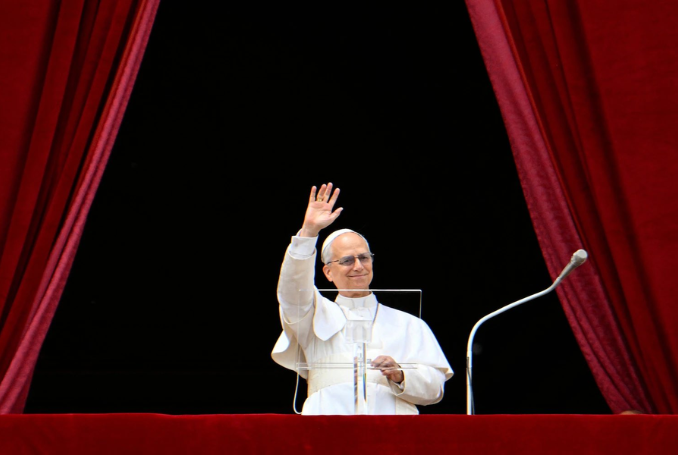

Pope Leo XIV’s visit to Lebanon is scheduled to begin this Sunday, carrying an international appeal for peace in the second and final leg of his first foreign tour as the leader of the Catholic Church.
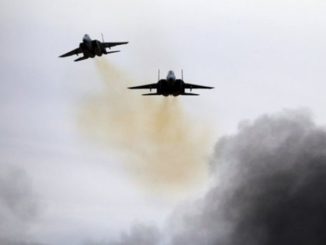
The Pope’s visit will occur during a period of heightened regional and local tension, characterized by Israeli violations of the ceasefire, statements regarding potential operational expansion, and direct accusations leveled against the United Nations Interim Force in Lebanon (UNIFIL).
The Pontiff will travel to Beirut from Türkiye, following a four-day visit during which he warned of the “danger to the future of humanity” due to the unprecedented number of conflicts worldwide, condemning violence in the name of religion. The 70-year-old Pope is scheduled for a densely packed itinerary of events across five cities and towns until Tuesday.
His agenda will include meetings with the President and the Prime Minister and delivering a speech to national leaders. The visit will also feature a prayer vigil at the site of the Beirut port explosion, presiding over an open-air mass on the seaside waterfront, and visiting a psychiatric hospital.
Israel Accuses UNIFIL
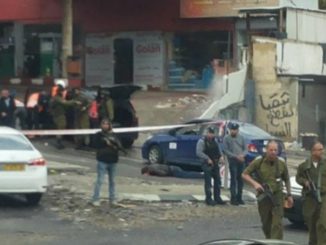
The papal message of peace coincides with a complex situation involving Israel’s constant ceasefire violations and deadly violence along the 120-kilometer “Blue Line” border between Lebanon and Israel.
A senior military official from the Israeli Army expressed concern over what he described as UNIFIL leaking “sensitive” military and intelligence information to Hezbollah. The official suggested that UNIFIL is considered a “destabilizing force” that does not contribute to disarming Hezbollah, noting that its presence restricts the “freedom of action” of the Israeli Army.
The official further expressed concern about the potential disclosure of images of Israeli forces’ activities to Hezbollah, asserting that “the sooner UNIFIL leaves the area and ends its activities, the better.”
The Israeli allegations follow a report by Israel’s Channel 13 revealing a plan presented by the military to the political level for expanding operations against the Lebanese resistance, following the expiry of an American administration deadline.
Israel has informed the Lebanese government, via the American administration, that if it fails to act to disarm and withdraw Hezbollah, it “will expand its attacks.”
Despite a ceasefire agreement that entered into force on November 27, 2024, Israel continues to carry out regular strikes inside Lebanon, allegedly targeting Hezbollah positions and fighters. Furthermore, it has maintained its occupation of five strategic locations in the south and begun fortifying them.
Amid significant American pressure, the Lebanese government has committed to proceeding with a plan to disarm Hezbollah, a step the latter has publicly rejected.
As Israel Hunts Leaders, Hezbollah Waits: What Will Another Israeli War on Lebanon Look Like?
Coexistence and Resistance
In contrast, the Pope’s visit will provide a platform for reaffirming Lebanese national principles in the face of Israeli threats.
Hezbollah has welcomed the Pontiff’s visit and commissioned members to deliver a message to him, confirming their commitment to “single, shared coexistence” and consensus democracy, while striving to maintain internal security and stability in Lebanon, according to Al-Mayadeen.
The party affirmed its dedication to “standing with our army and our people to confront any aggression or occupation of our land and country,” and stated that it considers Israel’s actions in Lebanon as “sustained aggression that is rejected and condemned.” The message concluded:
“We rely on Your Holiness’s stances in rejecting the injustice and aggression our homeland Lebanon is subjected to at the hands of the invading Zionists and their backers.”
In a related context, Sheikh Ali Al-Khatib, Deputy Head of the Supreme Islamic Shiite Council, emphasized the significance of the Pope’s visit, confirming that it carries a message of peace and national unity.
Beit Jinn Massacre: Syrians Begin Resisting Israeli Occupation Alone – Analysis
Al-Khatib stressed that the Resistance defends peace and that the Pope’s message is one of “peace and preserving shared coexistence, which we believe in and defend.” He also noted that “the Resistance is peace for its citizens; it confronts the enemy and protects its people.”
(PC, Al-Mayadeen, AJA)