
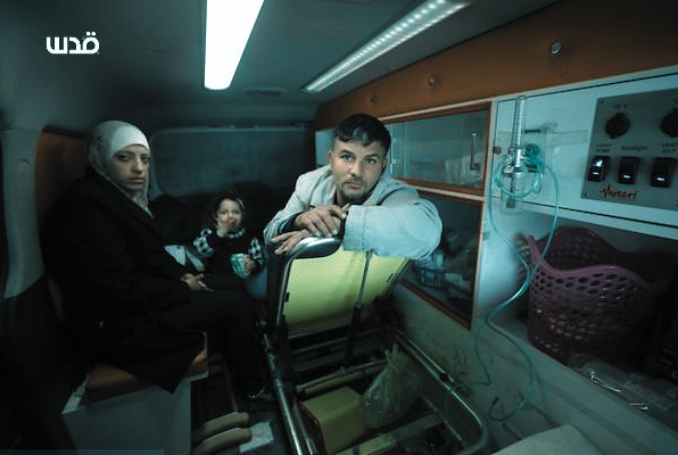

Rafah’s reopening exposed harsh Israeli control, mass denials, interrogations, and a medical evacuation system that barely functions.
Key Developments
- Israel allowed only a fraction of the promised crossings on Rafah’s first day, blocking most returnees and patients.
- Palestinians reported hours-long interrogations, blindfolding, threats, and confiscation of personal belongings at Israeli checkpoints.
- Israeli forces retained effective control over Rafah through internal security corridors and prior approval lists.
- Gaza’s medical crisis deepened as only a handful of patients were permitted to leave despite tens of thousands in need.
- Rights groups warned Rafah’s operation risks becoming a tool of population control rather than humanitarian relief.
The reopening of the Rafah border crossing between Gaza and Egypt was presented as a humanitarian breakthrough after nearly two years of closure. In practice, the first days of operation revealed a tightly controlled system marked by Israeli oversight, severe restrictions, prolonged interrogations, and widespread violations of basic dignity, leaving Palestinians questioning whether Rafah has truly reopened—or merely been reconfigured as another instrument of control.
Far Fewer Cross Than Promised
According to official arrangements announced ahead of the reopening, 50 Palestinians were expected to return to Gaza from Egypt on the first day, while 50 patients and wounded individuals were to leave for treatment abroad. What unfolded fell far short of those figures.
Only 12 Palestinians—nine women and three children—were allowed to enter Gaza late Monday night. On the outbound side, just eight patients and their companions were permitted to leave, despite earlier assurances that up to 150 patients would cross daily. Dozens of approved returnees were turned back to Egypt without explanation.
Gaza’s Interior Ministry later confirmed the limited numbers, acknowledging that the process failed to meet even the minimum commitments made under the reopening agreement.
Interrogation, Restraints, and Coercion
Testimonies from returnees describe hours-long interrogations at Israeli-controlled checkpoints inside and around the crossing. Several women reported being blindfolded, having their hands bound, and being questioned for hours about political affiliations, family members, and events related to October 7.
Others said interrogators raised the issue of “migration,” pressing them on whether they intended to leave Gaza permanently. Some were threatened with denial of future crossings or separation from their children if they refused to cooperate.
One woman described the experience as “psychological torture,” saying the message was unmistakable: return to Gaza would come at a cost.
Abu Shabab Groups at the Crossing
Crucially, multiple witnesses reported the direct involvement of armed groups linked to Yasser Abu Shabab during the crossing process.
According to these testimonies, individuals associated with Abu Shabab operated near Israeli-controlled checkpoints, escorting buses, managing transfers between locations, and participating in the handover of Palestinians to Israeli forces for interrogation.
Several returnees said they were removed from buses by these groups and delivered to Israeli soldiers, who then conducted questioning lasting several hours. Palestinians described the presence of Abu Shabab-linked elements as coercive and intimidating, warning that their involvement reflects a growing system of proxy control at Rafah—where Israeli authority is enforced through local intermediaries, obscuring accountability while deepening surveillance and domination.
Confiscation and Humiliation
Returnees consistently reported that Israeli forces confiscated personal belongings, including food, hygiene items, perfumes, medicines, and children’s toys. Each person was allowed only one small bag of clothing.
One mother recounted how soldiers forcibly took her child’s toy, telling the child it was “forbidden.” She described the moment as one of the most painful she had endured, saying it broke the child’s heart after months of displacement and illness.
These measures, returnees said, appeared designed to humiliate and deter Palestinians from attempting to cross again.
A Medical Corridor in Name Only
Medical officials in Gaza warned that the current pace of departures renders the humanitarian justification for reopening Rafah meaningless. Dr. Bassam Zaqout, director of medical relief services in Gaza, said allowing even 50 patients per day would be insufficient—yet Israel failed to meet even that number, permitting just five critical cases to leave on the first day.
More than 20,000 patients are currently awaiting treatment abroad, including thousands of children and hundreds in life-threatening condition. At the current rate, officials estimate it would take years to evacuate those in need, time many do not have.
Health workers report that patients continue to die while waiting for clearance, as Gaza’s health system collapses under shortages of medicine, fuel, and equipment.
Partial Openings, Full Control
Egyptian media later reported the arrival of a second group of Palestinians at Rafah to complete entry procedures, but the overall system remains governed by Israeli security approval. Israel retains control over who may cross, when, and under what conditions, despite the presence of European monitors and Egyptian coordination.
While the crossing is technically open in both directions, journalists remain barred from entering Gaza, and movement is strictly limited to pre-approved lists vetted by Israeli authorities.
Palestinian Prisoner Dies One Week After Release, Exposing ‘Slow Execution’ Inside Israeli Prisons
Reinforcing the Siege
For many Palestinians, the reopening of Rafah has confirmed fears that the crossing now functions less as a humanitarian lifeline and more as an extension of Israel’s siege architecture—combining surveillance, interrogation, proxy enforcement, and exclusion.
As one returnee said, “They don’t want us to come back. They want Gaza emptied of its people.”
With interrogations ongoing, patients blocked from treatment, and armed intermediaries involved in enforcement, Rafah’s reopening has so far deepened, rather than relieved, Gaza’s suffering—raising urgent questions about accountability, legality, and the true intentions behind Israel’s control of the crossing.
(QNN, AJA, AA, Egyptian Media, Palestinian Interior Ministry, Eyewitness Testimonies)

Palestinians should refuse to even acknowledge israel’s existence…..its name should never be spoken….haifa, tiberias, tel aviv, caesarea, elat and ALL other areas should ONLY be referred to as PALESTINE!!