

Iran prepares response as Israel violates ceasefire with deadly strikes across Lebanon, threatening negotiations and widening regional confrontation.
Key Developments
- Iran finalizing deterrent strikes against Israeli military targets following continued violations of the Lebanon ceasefire.
- Israeli airstrikes across Lebanon kill and injure hundreds hours after US–Iran truce announcement.
- Resistance forces signal coordinated retaliation as Hezbollah declares battlefield gains and warns against Israeli deception.
Iran is finalizing plans to carry out a deterrent operation against Israeli military targets following continued Israeli violations of the ceasefire, according to Iranian and regional sources.
An Iranian military source told Fars News Agency that preparations are underway in response to ongoing Israeli attacks on Lebanon and its resistance forces, launched within hours of the ceasefire agreement.
“Following the continued violations of the temporary ceasefire by the Israeli regime’s army against Lebanon and the country’s Islamic resistance, Iran is finalizing plans to carry out a deterrent operation against Israeli military positions,” the source said.
The same source confirmed that Israeli actions reflect Washington’s failure to restrain the Israeli government, reinforcing the need for a direct response.
Massacres in Lebanon
These developments come as Israeli warplanes launched extensive airstrikes across Lebanon on Wednesday, targeting Beirut, Baalbek, southern Lebanon, Mount Lebanon, and the Bekaa Valley, in one of the most intense waves of attacks in recent months.
The strikes took place just hours after a two-week ceasefire between the United States and Iran was announced through Pakistani mediation, an agreement intended to pave the way for broader negotiations to end the US-Israeli war launched on February 28.
Lebanese authorities and humanitarian sources reported dozens killed and more than 200 injured, with casualties expected to rise as rescue operations continue.
Israeli strikes have targeted residential areas, infrastructure, and densely populated neighborhoods, with reports of attacks interrupting rescue operations and funerals.
Israel has continued its military campaign in southern Lebanon since early March, combining airstrikes with ground operations despite a prior ceasefire arrangement that had been in place since November 2024.
Seven Messages – Can Israel Survive Defeat without Setting the Region Ablaze?
‘Historic Victory’
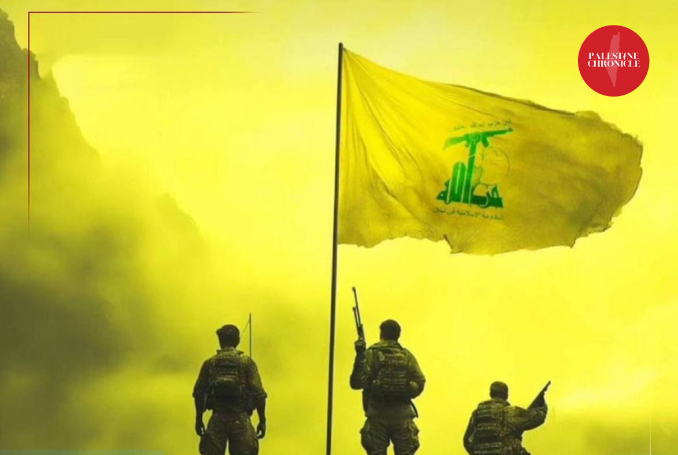
Amid this escalation, Hezbollah stated that it stands “on the brink of a historic victory,” marking its first official response to the US–Iran ceasefire, while maintaining adherence to the agreement despite ongoing Israeli strikes.
The movement urged civilians not to return to southern Lebanon, the Bekaa Valley, or Beirut’s southern suburbs until a final ceasefire announcement is confirmed, warning that Israel may attempt to manufacture a false image of success after failing to achieve its objectives.
Lebanese figures indicate that Israeli operations since March have resulted in more than 1,530 killed and over 4,800 injured, underscoring the scale of the ongoing assault.
The Iran–U.S. Ceasefire terms are clear and explicit: the U.S. must choose—ceasefire or continued war via Israel. It cannot have both.
The world sees the massacres in Lebanon. The ball is in the U.S. court, and the world is watching whether it will act on its commitments. pic.twitter.com/2bzVlHFKgi
— Seyed Abbas Araghchi (@araghchi) April 8, 2026
Iran: Response is Coming
At the same time, Iran’s Islamic Revolutionary Guard Corps (IRGC) issued a direct warning that continued attacks on Lebanon will trigger a “regret-inducing response” against both the United States and Israel.
In its latest statement, the IRGC said Israeli forces launched massacres in Beirut within hours of the ceasefire agreement, describing the attacks as deliberate targeting of civilians.
Senior Iranian military officials stressed that any attack on Hezbollah constitutes an attack on Iran, signaling readiness for direct escalation.
Iranian Foreign Minister Abbas Araghchi raised ceasefire violations during discussions with Pakistan’s military leadership, emphasizing the need to enforce the agreement across all fronts, while Iran’s representative to the United Nations in Geneva warned that continued Israeli attacks will further destabilize the region and carry serious consequences.
These warnings are unfolding as diplomatic efforts face increasing strain. Iran has made clear that the upcoming negotiations in Islamabad are contingent on halting Israeli attacks on Lebanon.
Sources cited by The Wall Street Journal confirmed that Tehran has informed mediators that the talks scheduled for Friday depend on full adherence to the ceasefire, including in Lebanon.
Iran has also warned that it may reconsider reopening the Strait of Hormuz if violations continue, raising the stakes for global energy routes.
Pakistani Prime Minister Shehbaz Sharif acknowledged that ceasefire violations are undermining the diplomatic process and called for full compliance to preserve negotiations.
In parallel, statements from across the region indicate that resistance forces are preparing a unified response to the ongoing escalation.
آتشبس با پذیرش اصول کلی مورد نظر ایران، ثمره خون رهبر شهیدمان خامنهای بزرگ و دستاورد حضور همه مردم در صحنه بود. از امروز نیز همچنان کنار هم خواهیم ماند. چه در میدان دیپلماسی، چه در میدان دفاع، چه در صحنه خیابان و چه در عرصه خدمترسانی.#باهم_بودنمان_پیروزی_است
— Masoud Pezeshkian (@drpezeshkian) April 8, 2026
Axis of Resistance
Abu Alaa al-Walai, secretary-general of Iraq’s Kataib Sayyid al-Shuhada, called for coordinated retaliation, stating that Israel must pay the price for its attacks on Lebanese civilians.
He confirmed that the resistance possesses the capabilities required for a broad response and indicated that operations could expand beyond Lebanon.
A senior Yemeni source similarly affirmed that Yemen remains ready to act, stressing that Hezbollah will not stand alone and that regional forces are prepared for further escalation if required.
Internationally, the United Nations strongly condemned Israeli strikes across Lebanon, citing significant civilian casualties and calling for an immediate cessation of hostilities.
UN spokesperson Farhan Haq emphasized that the ceasefire offers an opportunity to prevent further loss of life and urged all parties to commit to diplomatic efforts and international law, while warning of growing risks to UN personnel operating in the region.
At the center of the crisis remains Israel’s refusal to recognize Lebanon as part of the ceasefire framework.
Pakistani mediators and Iranian officials had confirmed that the agreement applies to all fronts, including Lebanon, while Israeli Prime Minister Benjamin Netanyahu has rejected this, continuing military operations despite the ceasefire announcement.
(PC, Al Mayadeen, Anadolu, x, Iranian Media, WSJ)




You won’t let me express my point of view