
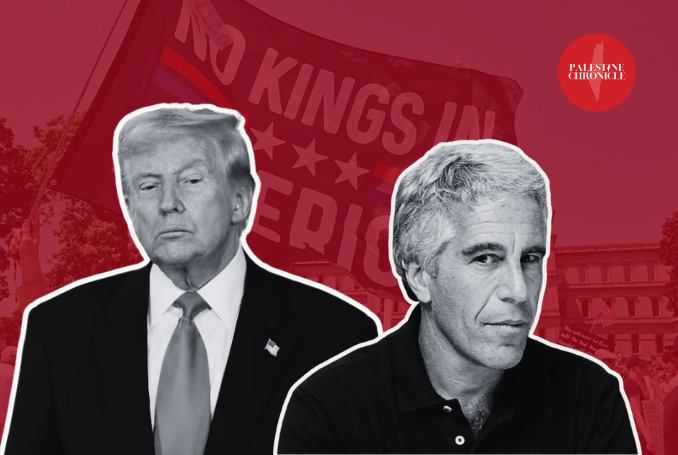

Trump has signed a law requiring the release of unclassified Epstein-related records after near-unanimous congressional pressure, though exemptions may still limit what becomes public.
US President Donald Trump announced on Wednesday that he had signed the Epstein Files Transparency Act into law, compelling the Department of Justice (DOJ) to release a broad set of currently unclassified documents related to the investigation, prosecution, and death of convicted sex offender Jeffrey Epstein.
The decision comes after months of White House hesitation and only after overwhelming pressure from Congress.
Congressional Pressure Triggers Reversal
The legislation requires the DOJ to release internal communications, investigative records, and documents tied to Epstein’s 2019 death in federal custody within 30 days.
Trump, who could have released portions of the material without congressional approval, had previously attempted to delay or avoid the measure altogether.
Blackmail, Power, and Foreign Policy: The Epstein-Barrack Question
The bill passed the House by a 427–1 margin and cleared the Senate unanimously, leaving the White House little flexibility. Trump announced the signing in a short message on his Truth Social account, framing it as a blow to political opponents.
“Perhaps the truth about these Democrats, and their associations with Jeffrey Epstein, will soon be revealed … I HAVE JUST SIGNED THE BILL TO RELEASE THE EPSTEIN FILES!” he wrote.
BREAKING: President Trump confirms he has officially signed the Epstein Files Transparency Act.
All of the files will now be released. pic.twitter.com/9Y3RR948tp
— Benny Johnson (@bennyjohnson) November 20, 2025
Disclosure Exemptions Remain
Although the act orders the DOJ to release extensive documentation, it still allows certain information to be withheld or redacted.
Officials may decline disclosure where releasing names or details could put victims at risk, where materials relate to ongoing investigations or future prosecutions, or where information is classified for national security or foreign policy reasons.
Despite those exceptions, the legislation explicitly prohibits withholding information solely due to “embarrassment,” “reputational harm,” or “political sensitivity,” a clause intended to prevent the shielding of influential figures.
Attorney General Pam Bondi said the DOJ will pursue “maximum transparency,” while emphasizing victim protection..
(PC, CNN, Al Mayadeen)