
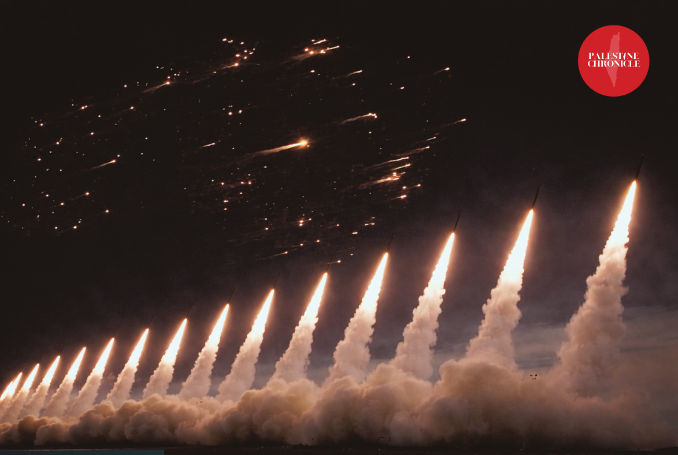

Iran restored key missile infrastructure and adapted battlefield tactics, raising questions about the long-term impact of US attacks.
Key Developments
- Iran reportedly regained access to multiple missile sites and repositioned mobile launchers during the ceasefire period.
- US officials said Iranian commanders studied American flight patterns and adjusted defensive tactics.
- Trump later said he postponed a planned military escalation after Gulf leaders pushed for more time for diplomacy.
Iran Reopens Missile Infrastructure
Iran has used the ceasefire period following months of US-Israeli attacks to restore parts of its missile infrastructure, according to US military officials cited by the New York Times.
Officials said Tehran managed to dig out numerous ballistic missile sites previously targeted during US strikes and relocate mobile launchers to alternative positions.
Many of the facilities had been built deep underground inside mountainous terrain designed to withstand aerial attacks. According to US officials, many American operations targeted access points and entrances rather than completely destroying entire facilities.
As a result, Iran reportedly regained access to a significant number of previously damaged sites.
Tehran Adjusts Military Tactics
US officials also warned that Iran adapted militarily during the pause in fighting.
According to the report, Iranian commanders—allegedly with Russian assistance—studied the operational patterns of American aircraft and adjusted their responses accordingly.
Officials pointed to the downing of a US F-15E and damage sustained by an F-35 as evidence that Iran had become more effective at anticipating American operations.
One military official reportedly warned that US flight tactics had become “too predictable.”
The assessment reflects broader concerns among military officials that the campaign may have produced a more experienced and resilient adversary instead of eliminating Iran’s strategic capabilities.
US Officials Warn Iran Retains Significant Capabilities
Despite extensive bombardment and the killing of senior Iranian commanders, US officials reportedly believe Tehran retains important strategic options.
According to the report, Iran still possesses the ability to reposition missile assets, threaten maritime routes through the Strait of Hormuz, target energy infrastructure in Gulf states, and continue pressuring US military assets across the region.
Officials cited by the New York Times suggested the conflict strengthened internal Iranian confidence that the country could endure a prolonged confrontation.
Trump Delayed Planned Escalation
The report comes as President Donald Trump said he had delayed a planned new military operation against Iran after Gulf states requested more time for negotiations.
“We were getting ready to do a very major attack tomorrow,” Trump told reporters, adding: “I put it off for a little while, hopefully maybe forever.”
Trump said leaders from Qatar, Saudi Arabia, and the United Arab Emirates urged Washington to pause military action while diplomatic discussions continued.
US officials cautioned, however, that Trump’s public comments could also represent strategic signaling or misdirection, noting that previous rounds of negotiations had taken place shortly before military operations began.
(PC, NYT)



Be the first to comment