
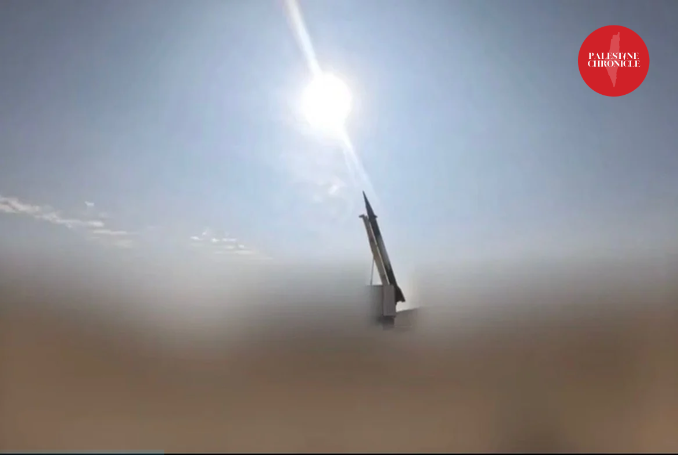

US intelligence says Iran retains significant missile capacity despite strikes, raising doubts about core war aims, the New York Times reports.
Key Takeaways
US intelligence says Iran continues to operate missile systems despite repeated strikes.
Tehran is restoring underground launch sites within hours of attacks.
Reduced missile fire may reflect strategy, not capability collapse.
Missile Capability Remains Intact
American intelligence assessments indicate that Iran has preserved a substantial portion of its missile capabilities, despite weeks of US and Israeli strikes, the New York Times reported on Saturday.
According to US officials briefed on classified intelligence, Iranian operatives have been rapidly restoring underground missile bunkers and silos after they are hit, allowing launchers to return to operation within hours.
The report states that Iran has also retained a significant number of missiles and mobile launch platforms, undermining claims that its capabilities have been decisively degraded.
This comes as the Pentagon and the White House continue to emphasize the scale of their campaign. US officials say approximately 11,000 targets have been struck across Iran in five weeks of war.
Gap Between Claims and Intelligence
Public messaging from Washington has stressed progress.
White House spokeswoman Anna Kelly said: “Here are the facts: Iranian ballistic missile and drone attacks are down 90 percent, their navy is wiped out, two-thirds of their production facilities are damaged or destroyed, and the United States and Israel have overwhelming air dominance over Iran.”
Defense Secretary Pete Hegseth also highlighted declining launch rates, stating: “Yes, they will still shoot some missiles, but we will shoot them down.” He added: “Of note, the last 24 hours saw the lowest number of enemy missiles and drones fired by Iran. They will go underground, but we will find them.”
However, US intelligence agencies have warned that reduced Iranian launch rates do not necessarily indicate a collapse in capability.
Instead, officials believe Iran is adapting its strategy: preserving assets, dispersing launchers, and relying more heavily on hardened underground infrastructure.
Underground Strategy and Rapid Recovery
The report highlights Iran’s increasing reliance on bunkers, caves, and underground silos to shield its missile forces. Even when these sites appear damaged, Iranian teams have reportedly been able to excavate and reactivate launch systems quickly.
The Israeli newspaper Haaretz reported that Iran has used bulldozers to dig out missile launchers that had been buried or “corked” following airstrikes, reinforcing intelligence assessments of rapid recovery.
US officials say Iran is deliberately conserving its remaining capacity to sustain pressure over time or retain deterrence after the war.
Despite the decline in volume, Iranian missile operations continue.
According to US and Western officials cited in the report, Iran has been launching roughly 15 to 30 ballistic missiles and 50 to 100 drones daily, often in smaller, staggered waves rather than large barrages.
Other estimates suggest around 20 missiles per day, typically fired in limited numbers at a time.
Officials believe this reflects operational constraints as well as strategic calculation, including internal coordination challenges within Iran’s command structure.
(PC, New York Times)



Despite the bravura, all the copium, all the Pentagon flacks, and even Pete “Gin Boy” cannot see the facts: Iran is winning.