
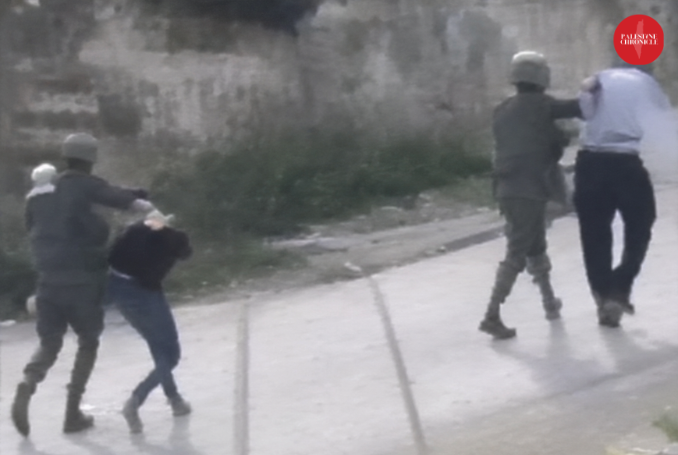

Hundreds of settler attacks and Israeli access restrictions threaten Palestinian livelihoods as armed settlers target farmers during the olive harvest.
Key Developments
- OCHA reported more than 400 settler attacks since September, with over 4,000 olive trees and saplings destroyed.
- Armed settlers threatened olive harvesters with displacement in Birin, near Hebron.
- 1,104 settler incursions into Al-Aqsa Mosque alongside arrests, demolitions and settlement measures across occupied Jerusalem.
Israeli settler attacks and military restrictions are threatening an olive sector supporting between 80,000 and 100,000 Palestinian families in the occupied West Bank, the UN Office for the Coordination of Humanitarian Affairs (OCHA) warned.
More than 400 settler attacks have been recorded since September, the highest toll compared with previous harvest seasons, according to a Humanitarian Country Team statement reported by Quds News Network.
The attacks caused injuries and extensive agricultural losses, including the destruction of more than 4,000 olive trees and saplings and the theft or damage of over 25,000 kilograms of olives.
They also extended into Areas A and B and targeted solidarity activists, journalists and diplomats.
Israeli occupation forces arrested and abused employees of the Beit Kahil Municipality in the town of Beit Kahil, northwest of Hebron, in the occupied West Bank. pic.twitter.com/jN7euf8jdn
— Eye on Palestine (@EyeonPalestine) November 21, 2026
Harvest under Attack
The statement said previous appeals to Israeli authorities to protect farmers and ensure access to their land had gone unanswered. It reported instances of attacks being tolerated, supported or joined by Israeli forces.
Separately, Israeli occupation authorities uprooted or damaged more than 10,000 Palestinian-owned trees and saplings during the first nine months of 2026, most of them olive trees.
Military restrictions particularly affect groves near settlements and behind the separation wall, where farmers must obtain prior permission to enter their land.
Even when permission is granted, the available time is often insufficient to complete the harvest. Farmers also face canceled access arrangements, expulsion and attacks, including in areas covered by prior coordination.
The olive sector contributes approximately 15 percent of Palestinian agricultural GDP. Restrictions throughout the year also prevent pruning, fertilization and pest control, threatening future harvests.
The Humanitarian Country Team urged Israeli authorities to stop the attacks, ensure safe and regular access, allow agricultural equipment and vehicles into groves, and hold perpetrators accountable. It called on UN member states to press for immediate action before the harvest window closes.
Israeli settlers stone Palestinians' vehicles east of Ramallah, in the occupied West Bank. pic.twitter.com/7sbWhftRyb
— Quds News Network (@QudsNen) November 21, 2026
Displacement Threats
On Saturday, armed settlers on horseback entered Wadi al-Awar in Birin, southeast of Hebron, and threatened Palestinians with forced displacement while they harvested olives, village council head Farid Burqan said.
Israeli occupation forces fired tear gas at residents during the incursion.
Burqan said a recently established settler outpost, named Adorin, had become a base for repeated attacks on the village. These include damage to crops, destruction and theft of property, seizure of sheep and physical assaults.
He also described nighttime raids that terrorize women and children.
Elsewhere near Hebron, settlers attacked Palestinian vehicles with stones on Route 60 near Wadi al-Shannar under the protection of Israeli occupation forces, damaging several vehicles.
The Palestinian Shanaran family has been besieged inside their home in Wadi al-Rakheem, in Hebron in the occupied West Bank, for 48 days by Israeli settlers and occupation forces, who block food, water and visitors from reaching them.
Settlers attack the house daily, throwing… pic.twitter.com/G7WxUMC9qf
— Quds News Network (@QudsNen) November 21, 2026
Raids and Arrests
The General Authority of Civil Affairs recorded 24 settler attacks across the occupied West Bank over the preceding 24 hours.
In al-Mughayyir, northeast of Ramallah, settlers threw stones at Palestinian vehicles, breaking the windows of a truck and a car.
Residents of al-Bireh also attended the funeral of Hamza Masoud Salim Abdo, 42, who was killed Friday by a Beit El settlement guard in the al-Uyun area of Dura al-Qara.
Israeli occupation forces arrested a Palestinian man and his son in Masafer Yatta, three young men in Qabatiya and three Beit Kahil municipal employees. The municipal employees were beaten before their arrest, according to the report.
Military incursions also targeted Iktaba and Bal’a near Tulkarm and Tammun, south of Tubas. In Ras al-Ahmar in the northern Jordan Valley, settlers damaged sheep pens belonging to a Palestinian previously forced to leave the community by repeated attacks.
Settlement Guard Kills Palestinian as West Bank Records 85 Acts of Resistance
Al-Aqsa Incursions
A weekly monitoring report recorded 1,104 settler incursions into Al-Aqsa Mosque between November 14 and 20, alongside 3,485 entries categorized as tourism.
The incursions included religious rituals, dancing and singing, while Israeli occupation forces tightened restrictions at the mosque’s gates and obstructed Palestinian worshippers.
Across occupied Jerusalem and its surroundings, Israeli forces carried out raids and arrests, including the detention of Samar Adwin, principal of al-Masira School in Shuafat refugee camp. Computers and surveillance recordings were confiscated from the school.
Palestinians were also forced to demolish their own properties in Silwan and Jabal al-Mukabber, while Israeli forces demolished a home in al-Walaja.
Occupation authorities announced plans to allocate approximately 179.54 dunams of Qalandiya land for settlers, citing agricultural processing.
Meanwhile, the continued closure of Beit Anan’s waste disposal site, serving approximately 100,000 people in 22 communities, has caused rubbish to accumulate and increased health and environmental risks.
(PC, QNN)
Be the first to comment