
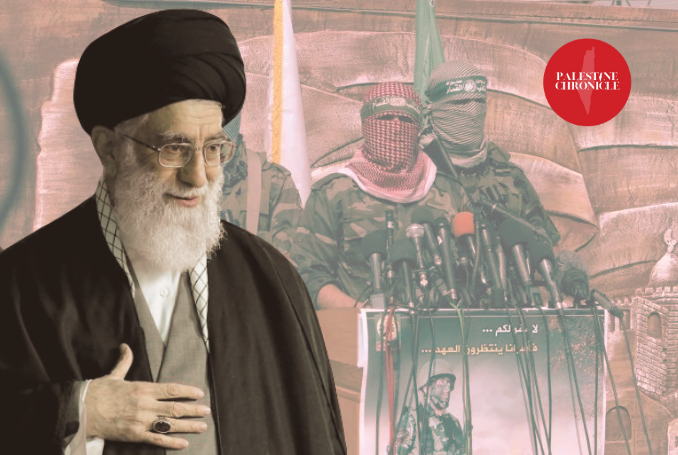

Doha meetings link Gaza ceasefire, regional escalation fears, and Iran tensions as resistance alliances reaffirm political coordination.
Key Takeaways
- Hamas and Iran coordinated positions on Gaza and regional escalation during Doha talks
- Movement reaffirmed commitment to the October 10 ceasefire despite ongoing Israeli violations
- Iran reiterated continued political support for the Palestinian cause
- Al-Qassam Brigades warned any attack on Iran would trigger wider confrontation
- Israeli analysts fear Gaza conditions may fuel renewed recruitment into resistance ranks
Doha Meeting
A Hamas delegation met Ali Larijani, secretary of Iran’s Supreme National Security Council, in the Qatari capital Doha to discuss developments in Gaza and across the region, according to a statement issued by the movement and reported by Anadolu Agency.
The talks took place amid renewed diplomatic activity surrounding Iran-US negotiations and ongoing Israeli military actions in the Gaza Strip and the occupied West Bank.
Hamas said discussions focused on the continuing Israeli assault and the political situation following the ceasefire agreement reached on October 10.
The delegation stressed that the movement is committed to implementing the agreement and preventing a return to full-scale war, while continuing efforts to end the blockade and ensure humanitarian aid access.
The group said it is working “by all means” to halt Israeli attacks and facilitate the flow of relief supplies into Gaza.
Larijani, for his part, reiterated Iran’s continued support for Palestinians and praised what he described as “the resistance and steadfastness of the Palestinian people at this critical time,” according to Iran’s Mehr News Agency.
Ceasefire Under Pressure
The meeting comes as the ceasefire faces increasing strain. Palestinian officials and international groups say Israel has committed hundreds of violations since the agreement took effect, killing nearly 600 Palestinians and injuring more than 1,400.
The second phase of the ceasefire, announced by Washington in January, includes additional Israeli withdrawals and reconstruction arrangements. The United Nations estimates rebuilding Gaza will require roughly $70 billion.
The war, which began in October 2023 and lasted nearly two years, killed almost 72,000 Palestinians and wounded more than 171,000 while destroying about 90 percent of the Strip’s infrastructure, according to international estimates cited by humanitarian agencies.
Hamas also raised Israeli measures in occupied Jerusalem and the West Bank, including settlement expansion decisions recently approved by Israel’s Security Cabinet.
Israeli media reported the measures include repealing restrictions on land sales to settlers, opening ownership records, and transferring building authority in parts of Hebron to Israel’s civil administration — steps widely seen as consolidating control over occupied territory.
Disarmament before Sovereignty: What Does the New Gaza Plan Really Propose?
Military Wing Warns Over Iran
In a parallel development that underscored the regional dimension of the Gaza war, Abu Obeida, spokesperson for the Al-Qassam Brigades, issued a strongly worded statement declaring full solidarity with Iran amid growing military threats against Tehran.
“We declare our solidarity — leadership, government and people — with the Islamic Republic,” he said in a statement. “Any aggression against Iran is aggression against our Islamic nation and a criminal assault on a sovereign state.”
Abu Obeida described the threats as an attempt to impose realities “by brute force” and warned they would not remain confined geographically. He expressed confidence in the Iranian armed forces and the Islamic Revolutionary Guard Corps, saying they had previously delivered “painful lessons” to Israel during the June 2025 confrontation.
He added that Iran possesses the capability to repel attacks and exercise what he called its legitimate right to self-defense, framing the confrontation as part of a broader struggle connected to the Gaza war.
The spokesperson linked the pressure on Tehran directly to its support for Palestinian resistance, stating the threats were “a desperate attempt at revenge” for backing Palestinians during the al-Aqsa Flood war.
Why the Push for a US–Iran Nuclear Deal is Not Serious – and Never Was
Israeli Debate Over Gaza’s Future
While diplomatic contacts continue, Israeli analysts are increasingly warning that conditions inside Gaza could produce renewed resistance mobilization.
An analysis published in the Israeli newspaper Maariv warned that the post-war situation may lead to recruitment growth among Palestinians frustrated by conditions in the enclave.
The article argued Israel had not articulated a long-term political strategy for Gaza and warned military pressure alone would not eliminate resistance movements.
It also suggested that the Israeli public and media attention had shifted away from Gaza toward regional developments, including tensions with Iran.
According to the report, past Israeli wars similarly ended without decisive outcomes, leaving underlying dynamics unchanged.
(Anadolu, Mehr, QNN, Israeli Media, UN News)



Be the first to comment