
Lebanon and Iran stress ceasefire priority as Trump claims talks, while Beirut denies contact and war continues.
Key Developments
- Berri and Ghalibaf stress ceasefire in Lebanon must come before any negotiations.
- Beirut denies any contact with Israel despite Trump’s claims.
- Iran ties broader ceasefire with US to full halt of attacks in Lebanon.
- Protests erupt in Lebanon rejecting talks amid ongoing Israeli attacks.
Lebanon, Iran Stress Ceasefire First
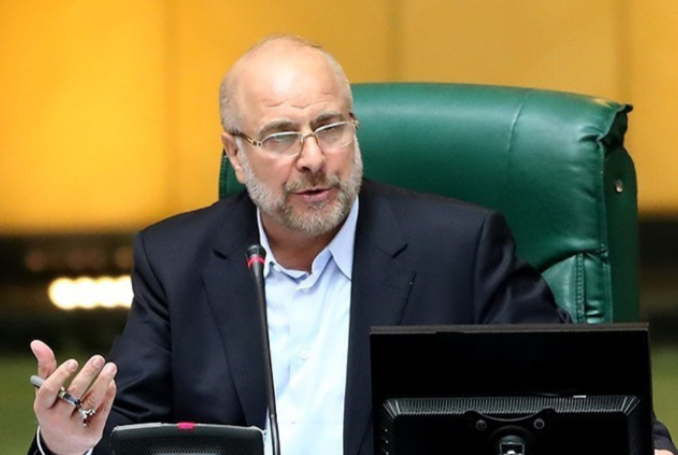
Lebanese Parliament Speaker Nabih Berri and Iranian Parliament Speaker Mohammad Bagher Ghalibaf stressed that a ceasefire in Lebanon must take priority over any political process.
During a phone call on Thursday, the two officials discussed developments in southern Lebanon amid ongoing Israeli attacks, emphasizing the “need to prioritize a ceasefire in Lebanon before any other matter,” the Lebanese news network Al Mayadeen reported.
Earlier, Ghalibaf stated that maintaining a ceasefire in Lebanon is the result of Hezbollah’s resilience, calling on Washington to adhere to the agreement and “withdraw from its Israel First mistake.”
Beirut ‘Not Aware’
A Lebanese official source said Beirut is “not aware” of any planned communication with Israeli leadership, contradicting claims made by US President Donald Trump.
“We are not aware of any planned contact with the Israeli side, and we have not been informed of any through official channels,” the source told AFP.
Trump had earlier claimed that leaders from both sides would speak, describing it as the first such contact in decades, without providing details.
Iran Links Ceasefire to Lebanon
Efforts to secure a ceasefire in Lebanon remain tied to broader negotiations between Iran and the United States.
Two senior Lebanese officials told Reuters news agency that they had been briefed on attempts to reach a truce, noting that its duration is likely linked to the US-Iran ceasefire framework.
Iran has maintained since the start of talks in Islamabad that any agreement must include a tangible ceasefire across West Asia, with Lebanon explicitly included.
Tehran has also stressed that continued Israeli strikes, particularly in southern Lebanon, undermine the credibility of negotiations.
The developments come as direct talks between Lebanese and Israeli representatives began in Washington earlier this week under US mediation.
Lebanese officials claimed the discussions are limited strictly to securing a ceasefire, warning that negotiations would end if Israeli attacks continue.
Popular Rejection inside Lebanon
The talks have triggered widespread backlash in Lebanon, where any form of normalization with Israel is illegal.
Protests erupted outside the Grand Serail in Beirut, with demonstrators rejecting engagement with Israeli authorities while attacks continue across the country.
The rejection reflects broader public opposition to negotiations taking place under ongoing military escalation.
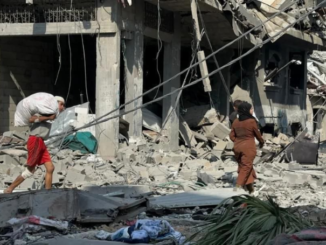
The diplomatic efforts come amid continued Israeli attacks across Lebanon, with more than 2,100 people killed and over 7,000 injured since early March, according to available figures.
(PC, Al Mayadeen, Reuters, AFP)