
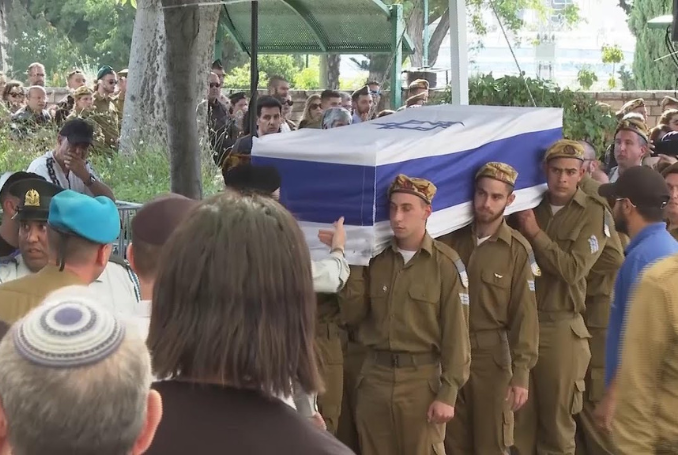

An Israeli reservist has announced he will not report for his next call-up, citing extreme exhaustion, political disillusionment, and a growing mental health crisis among soldiers after nearly a year of cumulative combat service.
An Israeli reserve soldier serving in an armored reconnaissance unit has publicly announced that he will not report for his next call-up in February, citing extreme exhaustion after nearly a full year of cumulative combat service since the start of the war on Gaza, according to the Israeli news outlet Ynet.
The reservist said he has completed between 320 and 350 days of reserve duty since October 2023 as part of a reconnaissance company under an armored brigade of the 252nd Sinai Division. He described a unit stretched well beyond its limits by repeated deployments across multiple fronts, compounded by mounting personal, financial, and psychological pressures.
“We have battles to fight at home,” he said, explaining his decision. “There are guys on the team who were fired from their jobs, others whose families are barely managing, or whose studies have been dragged out for years,” the soldier added.
Israeli Defense Minister Vows to ‘Never Leave’ Gaza, Contradicting Ceasefire Deal
Hundreds of Days across Multiple Fronts
The reconnaissance unit enlisted in November 2016 and was discharged in 2019. Before the war, its members—like most reservists—were typically called up for about one month each year to maintain operational readiness.
Since October 2023, however, they have been mobilized repeatedly under emergency orders, accumulating hundreds of days of service.
According to the reservist, the unit took part in “all the maneuvers,” including a five-month deployment on the front against Lebanon, a second ground operation in Gaza’s Rafah sector, followed by further missions in Lebanon and subsequent redeployments back to Gaza. During the 12-day aggression on Iran, he said the unit remained on constant alert.
“During the confrontation with Iran, we stayed geared up at all times, ready to deploy so that within three hours we could be back inside Lebanon,” he reportedly said.
During the June 2025 aggression on Iran, Israeli forces withdrew from most of southern Lebanon but maintained their presence at several strategic points inside Lebanese territory. These positions were retained as forward staging areas to support any potential ground escalation.
Israel Approves Closure of Army Radio as Political Objections Mount
Growing Refusal, Fading Clarity
The Israeli occupation soldier said most of his comrades have reached the same conclusion and plan not to report for the upcoming call-up, emphasizing that the decision was not taken lightly.
“This didn’t come easily; it’s the worst feeling there is,” he reportedly said. “The situation today isn’t black and white like it was on October 7. It’s very gray. It’s hard to understand the meaning, the purpose, and where this is heading.”
While stressing that the unit would respond in the event of a clear national emergency, he said the prospect of another decade of reserve duty amid ongoing wars has become unbearable.
“If there is a real state of emergency, a maneuver or ground operation that is clearly necessary, everyone will show up,” he said. “But we still have another ten years of reserve duty ahead of us, and we know the wars are not ending.”
The reservist also linked his refusal to internal political tensions, particularly proposed legislation that would exempt ultra-Orthodox Israeli men from military service, arguing that such measures deepen the sense of abandonment among reservists.
“The political situation affects everything,” he said, according to YNet. “The draft bill and decisions like it make you feel you don’t have backing from home, from the government, or from the political leadership.”
He described the psychological strain of repeatedly shifting between civilian life and combat as difficult to convey.
“The mental complexity of these transitions is overwhelming,” he said. “It’s not something that can be explained—you have to live it to understand it.”
What Do We Know About Breaking the Israeli Army’s ‘Dry Arm’? – Analysis
Part of a Broader Crisis
The case reflects a widening crisis within the Israeli reserve system after more than two years of sustained aggression on multiple fronts. Many reservists have reported severe exhaustion, alongside difficulties maintaining employment, family life, and mental readiness for continued combat.
Israeli military and health officials have acknowledged a sharp rise in psychological distress since the genocidal war on Gaza began. More than 20,000 soldiers and security personnel have reportedly received treatment for war-related injuries, with over half seeking care for mental health conditions, including anxiety, depression, and post-traumatic stress disorder.
Studies indicate PTSD symptoms among combat soldiers have reached roughly 12%, while demand for psychological support among reservists has surged. Israeli media have also reported a significant increase in suicides among troops since the war began, with at least 61 soldiers taking their own lives during this period.
(PC, Al Mayadeen, Israeli Media)



May they all have miserable lives and a painful death, the children of Palestine cry out for justice. Bolsheviks of Israel should get what they deserve…NOTHING!