

The resolution now requires final ratification by the Supreme National Security Council to take effect.
Iran’s parliament approved a bill on Wednesday to suspend cooperation with the International Atomic Energy Agency (IAEA), Iranian media reported.
During an open session of the Parliament, MPs unanimously carried a motion to consider a report from the National Security and Foreign Policy Commission for the suspension of the government’s cooperation with the UN nuclear watchdog, the semi-official Tasnim news agency reported.
Parliament approves bill to suspend cooperation with @iaeaorghttps://t.co/nZixhlFcX3 pic.twitter.com/HlPiyjRacb
— IRNA News Agency (@IrnaEnglish) June 25, 2025
No Condemnation
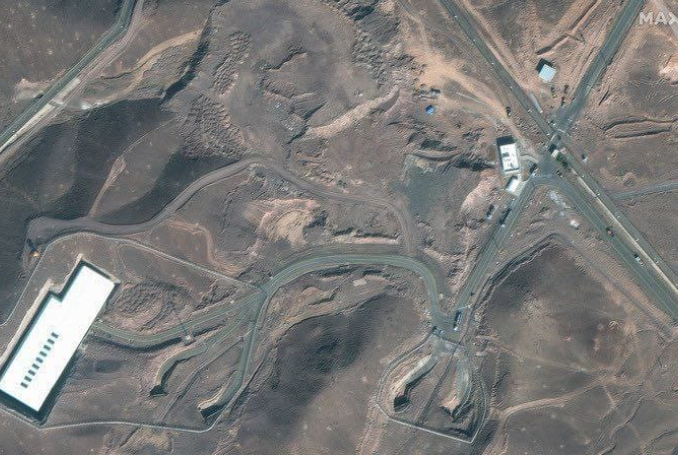
The move comes in the wake of the recent attacks by Israel and the US targeting key nuclear sites in Iran, which the MPs say the IAEA failed to condemn.
“The IAEA did not issue even a symbolic condemnation,” Iranian Parliament Speaker Mohammad Bagher Ghalibaf stated, according to the Al Mayadeen news agency.
Trump’s Shaky Ceasefire: Iran Won the Battle, But Will It Win the War?
Ghalibaf said Tehran would no longer cooperate with the IAEA until its nuclear facilities are fully secured.
“Iran’s peaceful nuclear program will make headway more quickly,” he is quoted by Al Mayadeen as saying.
While the resolution passed in parliament, the report noted, it still requires final ratification by the Supreme National Security Council to take effect.
Nuclear Activities to Continue
Meanwhile, Iran’s nuclear chief has vowed that the country’s nuclear activities will continue without disruption, despite the military strikes on its nuclear facilities, according to an Al Mayadeen report.
Speaking on Tuesday, Mohammad Eslami, head of the Atomic Energy Organization of Iran (AEOI), reportedly said that all necessary measures have been taken to maintain operations and assess damage to impacted sites.
Breaking
⚡Iran’s parliament has passed a bill halting cooperation with the IAEA.The measure will bar IAEA inspectors from accessing Iran until the security of its nuclear facilities is ensured. pic.twitter.com/fRNtRjsvl7
— Iran English (@iranEnglish5) June 25, 2025
Eslami condemned the attacks on Iran’s “peaceful nuclear facilities” and emphasized that preemptive planning had ensured no interruption in the country’s nuclear production or services.
Ceasefire
On June 13, Israel began launching airstrikes on several sites across Iran, including military and nuclear facilities, alleging that Tehran was on the verge of producing a nuclear bomb, a claim it vehemently denies.
While Iran launched retaliatory missile and drone strikes, the US joined the conflict on Sunday by bombing three Iranian nuclear sites.
The Real Winners: The Strategic Fallout of the Israel-Iran War
After 12 days of airstrikes between the two regional arch-foes, US President Donald Trump on Monday announced a ceasefire between Israel and Iran to end their conflict.
(PC, Al Mayadeen, Agencies)




Congratulations Iran!! It’s about time! Tell Grossi to inspect Dimona!