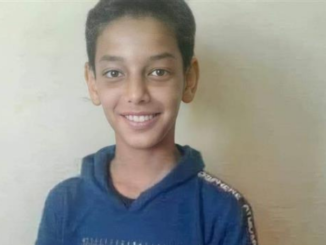


Captured collaborator describes Israeli-directed aid theft network and coordinated militia operations across Gaza Strip.
Key Takeaways
- A detained collaborator admitted establishing contact with Israeli intelligence in mid-2024 through applications used under the pretext of arranging movement across combat zones.
- Investigations revealed Israeli officers oversaw operations intercepting humanitarian trucks and monitoring their security escorts.
- The collaborator received funding, weapons, communications equipment, and aerial drone cover to carry out field missions.
- Israeli intelligence allegedly targeted individuals involved in theft and looting, viewing criminal conduct as a pathway to collaboration.
Confessions of a Captured Agent
New disclosures published by a platform affiliated with resistance security in Gaza – al-Haris – revealed details of a case involving a detainee identified as (H.S.), accused of cooperating with Israeli intelligence while disguising his activity as criminal road-blocking and looting.
According to the published confessions, the detainee acknowledged establishing ties with Israeli intelligence in mid-2024 after communicating through applications linked to Israeli authorities under the pretext of coordinating safe passage through areas of fighting.
Investigations showed the intelligence services exploited his involvement in theft-related activities to assign operational tasks on the ground. The most prominent assignments included intercepting humanitarian aid trucks, observing security teams protecting them, and collecting information about those personnel.
Direct Supervision of Aid Interception
Information permitted for publication indicated that the intelligence officer responsible for the agent directly supervised aid-truck theft operations.
The agent was tasked with forming an armed gang provided with funding, weapons, and communication devices. Drone surveillance reportedly provided aerial protection for the group’s movements, enabling them to evade pursuit and causing significant damage during operations.
The confessions pointed to direct Israeli involvement in looting aid shipments, including recruiting collaborators and targeting security units responsible for safeguarding humanitarian deliveries.
According to the investigation, intelligence services considered criminal records an entry point for recruitment, believing individuals who harm their own community during wartime would also carry out missions against society and resistance groups.
The revelations support claims that aid theft contributed to hunger in Gaza while Israel maintained internationally that humanitarian assistance was being allowed into the territory, portraying shortages as an internal distribution problem.
Israel is Targeting Its Own Collaborators in Gaza – But Why?
Broader Network of Armed Collaborators
In a separate investigation broadcast by Al-Jazeera’s program Ma Khafi A’zam, reporters revealed names and training locations of armed militia members accused of cooperating with the Israeli army in Gaza.
A network of armed groups reportedly operates along the length of the Strip, moving behind what is known as the “Yellow Line,” the security separation route where Israeli forces are positioned.
Among the groups identified was the “Popular Forces” founded by Yasser Abu Shabab — later killed and replaced by Ghassan Al-Dahini — accused by multiple sources of coordination with Israeli forces despite denials from some leaders.
Another group led by Hossam Al-Astal sparked controversy after repeatedly appearing in restricted areas south of Khan Yunis. In August, Al-Astal announced the formation of a unit named the “Counter-Terrorism Strike Force,” despite having been detained at the beginning of the war on accusations of collaboration.
In Sh’ejayia, east of Gaza City, a group led by Rami Adnan Helles operates, while Ashraf Al-Mansi heads what is called the “Popular Army” in Beit Lahia and Beit Hanoun. The latter formation was established in September under the patronage of Abu Shabab, indicating coordination among armed formations across the Strip.
Video of Qassam Commander Captured in Rafah Sparks Widespread Outrage
Recruitment Protocols and Surveillance
The investigation also revealed what was described as the full protocol for recruiting Israeli agents inside Gaza, including technical surveillance methods and covert communication tools.
The findings collectively portray a structured system involving recruitment, logistical support, and operational deployment — extending from individual collaborators tasked with aid theft to organized armed groups operating near Israeli-controlled zones.
The confessions and investigations suggest a coordinated effort combining intelligence recruitment, humanitarian disruption, and local armed formations.
Together, they outline a broader security dynamic in Gaza in which aid distribution, internal stability, and battlefield control intersect with covert operations and proxy actors operating across the besieged territory.
(QNN, AJA, PC)