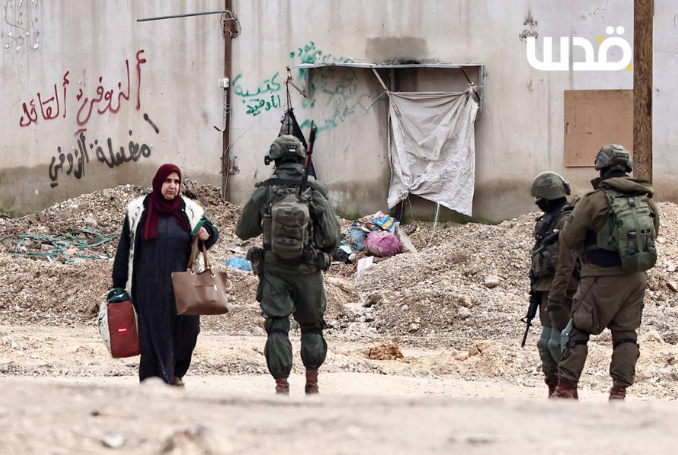

The United Nations Office for the Coordination of Humanitarian Affairs (OCHA) has warned that large-scale displacement of Palestinians across the occupied West Bank continues in 2026, driven primarily by Israeli settler violence, demolitions, and access restrictions.
Key Developments
- More than 900 Palestinians have been displaced in the West Bank since the beginning of 2026
- Over 50 settler attacks have been documented between January 20 and February 2
- Displacement is mainly linked to illegal settler violence, access restrictions, and demolitions
- More than 18,500 Gaza patients require specialized treatment unavailable locally
Escalating Displacement
OCHA reports that displacement across the occupied West Bank remains at “high levels.” Since January 1, 2026, more than 900 Palestinians have been forced from their homes or communities.
The UN attributes most of this displacement to illegal Israeli Jewish settler violence and access restrictions, often followed by demolitions. According to the agency’s data, the trend has intensified in recent weeks, affecting multiple communities and contributing to growing humanitarian needs.
Between January 20 and February 2 alone, OCHA documented more than 50 Israeli settler attacks resulting in casualties, property damage, or both.
The agency is currently conducting preliminary assessments of damage and needs to guide humanitarian assistance from the UN and its partners.
OCHA emphasized that its ongoing field assessments aim to inform emergency responses and prioritize aid delivery to affected communities.
The War beyond Gaza: Israel’s Silent Shock Campaign in the West Bank
Medical Crisis in Gaza
Alongside the situation in the occupied West Bank, the UN highlighted worsening medical conditions in the Gaza Strip.
More than 18,500 patients require specialized treatment unavailable locally. Humanitarian agencies continue to push for expanded medical referral pathways outside Gaza, including to the occupied West Bank and East Jerusalem, to relieve pressure on the health system.
Recent evacuations through the Rafah crossing allowed a small number of patients and companions to travel to Egypt for treatment, but access remains extremely limited relative to needs.
Palestinian Child Shot in Beita as as Settler Attacks Escalate across West Bank
Humanitarian Access
UN officials also noted ongoing restrictions affecting humanitarian operations, including fuel entry, aid delivery, and movement of people. These limitations continue to hinder relief efforts and worsen living conditions for civilians.
Despite the limited reopening of crossings, movement remains tightly controlled, preventing large-scale evacuation and aid delivery operations.
(Sources: OCHA, United Nations, Anadolu, TRT World)