

Iran rejects a second round of talks under US pressure, linking negotiations to Hormuz control and the end of excessive demands.
Key Developments
- Iran has not agreed to a second round of talks with US.
- Tehran rejects US “excessive demands” and naval blockade pressure.
- Hormuz control tightened as leverage in negotiations.
Iran Rejects Second Round of Talks
Iran has not agreed to a second round of negotiations with the United States, according to information obtained by Tasnim news agency from relevant authorities.
The report indicates that Tehran’s refusal is directly linked to US President Donald Trump’s announcement of a naval blockade, as well as what Iran describes as excessive demands presented during negotiations and ongoing message exchanges.
Iran Reimposes Control over Hormuz as Qalibaf Dismisses US Claims
Iran has made clear that avoiding such demands is a fundamental condition for continuing talks, stressing that it will not engage in what it considers unproductive or drawn-out negotiations.
Iran’s position has been formally conveyed to Washington through Pakistani mediation.
Hormuz Control Reinforced amid Deadlock
These developments come as Iran reasserts control over the Strait of Hormuz, a move framed as a direct response to continued US pressure.
According to the Lebanese news platform Al Mayadeen, the Islamic Revolutionary Guard Corps has regained full control of the waterway following Washington’s decision to maintain a blockade on Iranian ports.
The move follows a brief period during which Tehran had allowed limited maritime passage under ceasefire understandings, before reversing course amid escalating tensions.
Amid discussions about a potential second round of talks in Islamabad, Iran continues to adhere to a defined set of conditions for any agreement.
According to Al Mayadeen, these include a comprehensive cessation of war across the region, the release of frozen Iranian assets, reconstruction commitments, compensation, and recognition of Iran’s right to enrich uranium for peaceful purposes.
Trump Claims Progress, Iran Pushes Back
US President Donald Trump has claimed that Tehran has “agreed to everything,” including arrangements related to uranium handling.
Iran’s Three Conditions for Hormuz: What Ships Must Do to Pass
However, a senior Iranian official, cited in a Tasnim report, dismissed these claims as inaccurate, describing them as “alternative facts.”
The official rejected suggestions that Iran would transfer its enriched uranium abroad or halt enrichment indefinitely, warning that such public statements risk undermining the negotiation process.
He also cautioned that Iran views US rhetoric as potentially masking preparations for renewed escalation, adding that Tehran is prepared to respond forcefully if necessary.
Army Message Signals Readiness
In parallel, Iran’s leadership used Army Day to reinforce its military posture following the recent war.
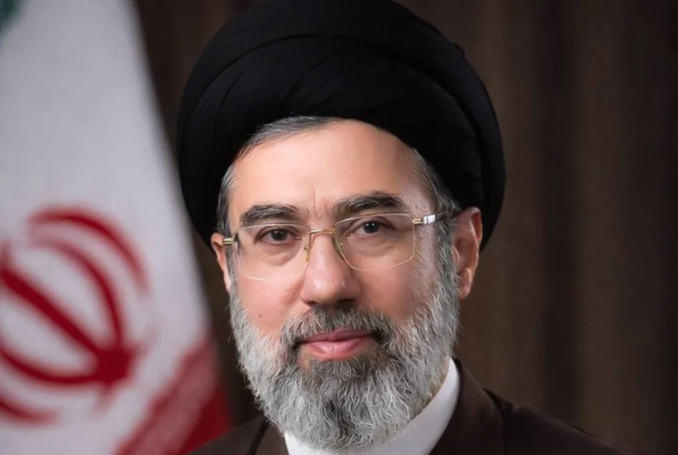
In a message marking the occasion, Ayatollah Seyyed Mojtaba Khamenei praised the armed forces for confronting the US-Israeli aggression and emphasized continued readiness.
He highlighted the role of coordinated operations between the army and the Islamic Revolutionary Guard Corps in delivering sustained strikes against enemy targets during the 40-day conflict.
The message underscored that Iran’s military capabilities remain central to its strategic posture amid ongoing diplomatic uncertainty.
(PC, Tasnim, Al Mayadeen, Press TV)



Don’t back down, you did nothing wrong.
My US government is treating this like it’s a joke. I don’t support any part of what they’re doing.