
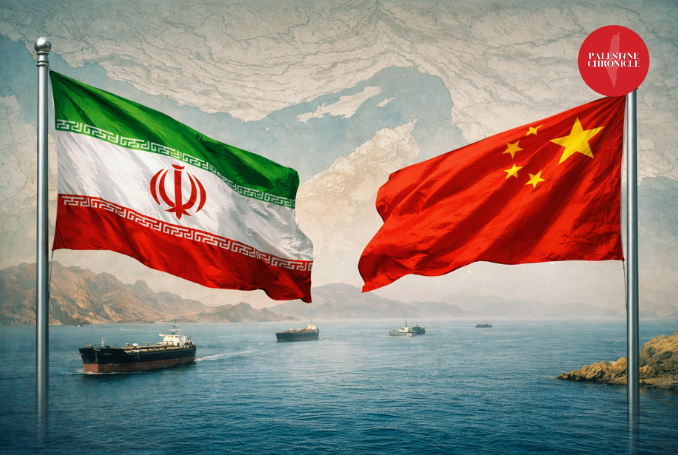

Iranian officials dismissed reports of a near US-Iran deal while Beijing reaffirmed opposition to pressure campaigns against Tehran.
Key Developments
- Iranian officials dismissed Axios reports of a near agreement with Washington as a “US wish list.”
- Tehran warned the US would face a “harsh response” if pressure and military threats continue.
- Senior Iranian officials stressed Iran would not surrender strategic rights through negotiations.
- Chinese diplomatic sources said Beijing rejects using the Trump-Xi summit to pressure Iran.
- China reportedly supports a regional Gulf security framework that includes Tehran.
Iran Rejects Reports of Imminent Deal
Ebrahim Rezaei, spokesperson for Iran’s Parliamentary National Security and Foreign Policy Committee, dismissed reports published by Axios claiming Washington and Tehran are nearing a framework agreement to end the war and reopen broader nuclear negotiations.
Rezaei described the reported proposal as “nothing more than a US wish list,” insisting that Washington would not achieve through war what it had failed to secure during negotiations.
“The United States will not achieve through war what it failed to secure at the negotiating table,” Rezaei said.
He warned that Iran remains on high alert and that any failure by Washington to retreat from pressure tactics or offer meaningful concessions would trigger what he described as a “harsh response” from Tehran.
Axios had reported, citing US officials, that the White House believes it is close to a one-page memorandum of understanding under which Iran would freeze nuclear enrichment in exchange for sanctions relief, the release of frozen assets, and easing restrictions affecting the Strait of Hormuz.
However, an informed source cited by Tasnim News Agency said Tehran has not yet formally responded to the proposal because it contains “unacceptable provisions.”
The source accused US media of attempting to politically justify President Donald Trump’s retreat following the suspension of “Project Freedom.”
Trump Halts Operation ‘Project Freedom’ less than 48 Hours after Launch
‘US Cannot Escape the Region’
Separately, Mohsen Rezaei, a member of Iran’s Expediency Discernment Council and former commander of the Islamic Revolutionary Guard Corps (IRGC), said Iran must emerge from the confrontation with a “complete victory,” arguing that Washington entered the war seeking to secure gains before retreating from the region.
In an interview with Al Mayadeen, Rezaei said the US project in West Asia had failed historically, comparing current American strategy to earlier policies pursued under former President George W. Bush.
He argued that the Gulf region should develop independently from foreign domination.
“We are an independent region. Iran, Saudi Arabia, and Türkiye must continue progressing within an independent region,” Rezaei said.
‘Aligning Interests’: Beijing Hosts Araghchi as Trump Visit Nears
Iran’s Vision for Hormuz
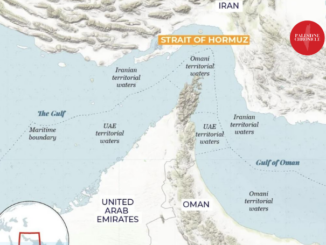
Rezaei also elaborated on Tehran’s position regarding the Strait of Hormuz, arguing that Iran holds primary geographic and strategic control over the waterway because three sides of the Strait border Iranian territory, while only one side borders Oman.
He said Iran’s first objective in Hormuz is security, warning that if the Strait falls outside Iranian management, it could once again be used against Iran.
“If the Strait of Hormuz leaves Iran’s control and administration, the enemy will use it against Iran and the Iranian people again,” he stated.
Rezaei added that Iran also views itself as responsible for guaranteeing regional trade and that maintaining maritime security carries economic costs that should be compensated through the Strait’s management framework.
Resistance as Ideology: Iran’s Political Culture of Survival
Economic Pressure Campaign
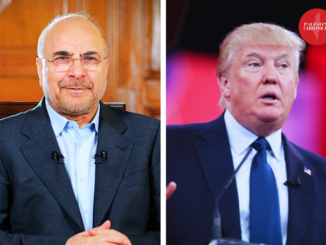
Meanwhile, Mohammad Bagher Qalibaf said the United States and its allies are attempting to pressure Iran through naval blockades, economic warfare, and media campaigns aimed at destabilizing internal cohesion.
Qalibaf said Iran is engaged in “one of the largest contemporary wars” and warned that economic pressure would not force the Iranian population to surrender.
“The Iranian people sacrifice their lives but do not surrender,” he said.
He also urged Iranians to avoid sharing information that could assist hostile actors and called for expanded mobilization efforts similar to solidarity campaigns seen during the COVID-19 pandemic.
The Failure of the Aggression against Iran Signals the End of the American Unipolar Dream
China Rejects Pressure
At the same time, Asian diplomatic sources told Al Mayadeen that Beijing firmly rejects attempts to transform the upcoming summit between Chinese President Xi Jinping and Trump into a platform for pressuring Iran.
According to the sources, Chinese officials viewed Trump’s “Project Freedom” initiative in the Strait of Hormuz as a political pressure tool ahead of the summit.
The sources added that Beijing believes the failure of the operation deprived Washington of one of its principal leverage mechanisms against both Iran and China.
Chinese officials reportedly stressed that while Beijing seeks strong economic ties with Gulf states, this will not come at Iran’s expense strategically.
According to the report, China supports the creation of an independent regional Gulf security framework that includes Iran rather than isolating it.
The sources further indicated that Beijing opposes transforming Gulf states into advanced military platforms targeting Iran and believes regional security arrangements must emerge from cooperation among Gulf countries themselves, supported by Chinese economic guarantees rather than foreign military domination.
The diplomatic sources also suggested that China views recent regional developments as evidence of declining US influence in East Asia.
They highlighted the refusal of both South Korea and Japan to participate militarily in the war against Iran or operations in the Strait of Hormuz as significant indicators of changing regional calculations.
According to the sources, Beijing interpreted those positions positively and considers them evidence of broader shifts in the international balance surrounding the confrontation with Iran.
(Al Mayadeen, Iranian Media, X, PC)


Be the first to comment