
By Shaimaa Eid
In Gaza, people are not only defeated by bombing but are also drained by illness, by waiting, and by hope that slowly erodes behind a gate that has been closed for months.
Normally, a journalist in Gaza tells the stories of others, relaying their pain, describing their suffering, and writing about their illnesses during and after the war. But this time, I find myself compelled to write about my own pain, about my father, who is battling bladder cancer in the midst of a war that has left patients without medicine and the living without full hope for survival.
The story began in May 2024. My father woke up one morning to find himself urinating heavily with blood. At the time, the war was at its peak; hospitals were overwhelmed with the wounded, and the sound of bombings filled the sky. We initially thought it was temporary and ignored it for two days, hoping it would pass as quickly as it came. But it was not a passing condition; it was the beginning of a long journey of pain.
Months later, the bleeding returned, this time more severe and dangerous. My father began experiencing sharp pain in his lower abdomen, so we decided to seek medical testing. After exhausting efforts – navigating long queues of patients and destroyed hospitals – we managed to get an ultrasound and then a CT scan, at our own expense, at Al-Hilal Hospital, after the Israeli military had destroyed both Al-Shifa and the European Hospital, the two main facilities equipped with such imaging devices.
‘When I Slept Hungry’: My Testimony on the Exhausting Hunger in Gaza
The examination revealed a mass measuring 4×2.7×3 cm that had penetrated the bladder wall. After a biopsy was taken, doctors confirmed he had a rare high-grade adenocarcinoma.
According to doctors, adenocarcinoma of the bladder is a rare type of bladder cancer, accounting for only 1–2 percent of all cases. This tumor originates from the glandular cells lining the bladder’s urothelium and is known to be more aggressive than other types, such as the more common transitional cell carcinoma. It often appears at an advanced stage due to the difficulty of early detection, as its symptoms resemble those of other urinary conditions, such as cystitis or prostate enlargement. The most common symptoms include blood in the urine, pain in the lower abdomen or pelvis, frequent urination, or difficulty urinating.
In Gaza, a patient’s suffering does not end at diagnosis. The Israeli blockade has turned obtaining any medical supplies into a battle in itself. Doctors needed glycerin to perform the surgery to remove the part of the bladder affected by the tumor, so we began a search for it in a city exhausted by the siege. After many long days of worry and hope, we finally managed to secure it, and the surgery was successfully performed.
Our Home that Once Laughed, Now Lies Silent beneath the Rubble
However, the recovery phase was harsher than the surgery itself. Protein-rich foods, clean water, and supplements needed to restore his immune system were unavailable. We tried to compensate with whatever was accessible, but his body was too weak to withstand the harsh conditions. After three months, the tumor returned. He underwent a catheter procedure to scrape the tumor, but it was not long before it came back again, larger and more aggressive.
During that period, the shelling of our neighborhood in Sheikh Radwan was relentless. My father inhaled large amounts of smoke from the bombing of nearby homes and, with the gas supply cut off, we resorted to burning wood to cook. All of this contributed to the deterioration of his health until the tumor grew to 6 cm in length, accompanied by swelling in the lymph nodes. The doctors began chemotherapy sessions and, later, recommended a complete bladder removal, a complex and risky surgery for a seventy-three-year-old man that requires urgent travel outside the Gaza Strip.
Two Years of Genocide: Gaza Will Remain the Most Beautiful Place on Earth
In addition, chemotherapy doses require special nutrition, including proteins, fortified foods, and supportive medications, all of which are nearly non-existent in Gaza. Israel allows only very limited quantities of food and medical supplies to enter.
With the crossings closed, my father, like thousands of cancer patients in the Gaza Strip, is still waiting for a permit to leave this siege in order to save his life.
Every day that passes with pain, I wonder: How many other patients silently endure the same suffering as my father? How many are just waiting for a “pass permit” to live?
In Gaza, people are not only defeated by bombing but are also drained by illness, by waiting, and by hope that slowly erodes behind a gate that has been closed for months.
(The Palestine Chronicle)
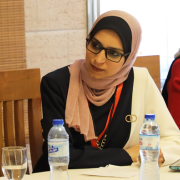
– Shaimaa Eid is a Gaza-based writer. She contributed this article to the Palestine Chronicle.