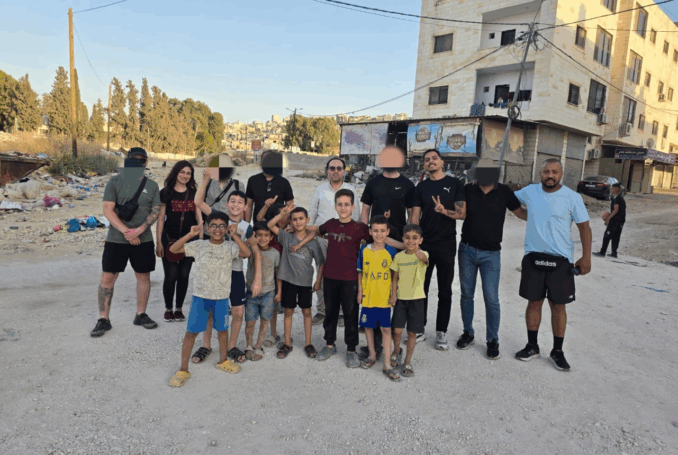
Fans from Independente, a supporters group from São Paulo FC, visited refugee camps and sports centers in the West Bank.
Celtic FC’s Green Brigade supporters launched the “Show Israel the Red Card” campaign in March this year. The initiative captivated fans of teams such as Osasuna (Spain), Livorno (Italy), Palestino (Chile), Terengganu (Malaysia), Atromitos FC (Greece), Deportivo Alavés (Spain), Pisa SC (Italy), Lecce (Italy) and Independente (Brazil).
In May, two months after the launch, fans decided to mobilize beyond the borders of their own countries and go on a solidarity trip to the Palestinian territories.
View this post on Instagram
Representing Brazil, the president of São Paulo’s Independente fan club, who is also a member of the “Bonde do Che” collective, and Matheus Marcelo, a member of the same fan club, were part of the delegation. Bonde do Che (Che’s Gang, a reference to the Latin-American revolutionary Che Guevara) is a group that acts inside the Independente.
“The goal of the trip is to learn about the reality of the Palestinian people, how the Zionist occupation works and what they go through on a daily basis,” Marcelo said, in an interview for the Brazilian newspaper A Nova Democracia.
The trip was also intended “to learn about their project with Lajee Celtic in the Aida refugee camp, and the other refugee camps around Palestine, so that we can help.”
The invitation from the Green Brigade came because of Independente’s actions in and outside of stadiums in Brazil.
The club frequently shows Palestine flags during matches, with many pro-Palestine banners made by the supporters. The two fan clubs were already talking with the help of the Antifa Hooligans Brazil, but things became easier when a member of the Che’s Gang living in Scotland talked with members of the Green Brigade.
Daily Struggles
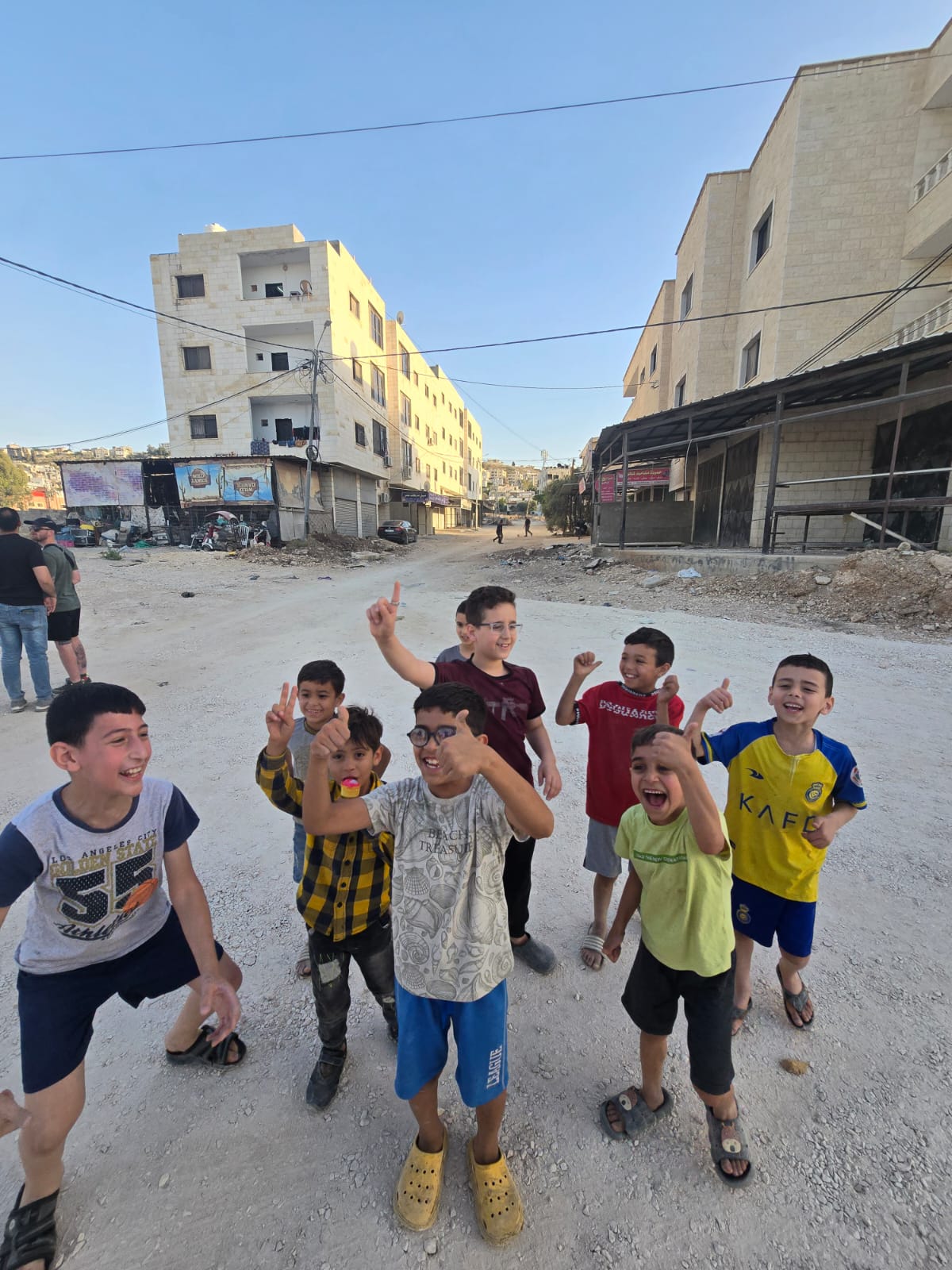
“We visited Tulkarem, Hebron, Jenin and Aida,” Marcelo said. “Tulkarem and Jenin are completely devastated because of Israel’s actions. We saw Israeli soldiers and snipers during our visit to Tulkarem.”
Images captured by the delegation depicted several destroyed buildings. Inside a school, they saw Palestine maps ripped and painted over.
“We went to the roof of the school, but I could not film the refugee camp, because it had snipers aiming at us,” Marcelo noted.
“Daily life is filled with oppression,” he added, and went on to explain how the guide of the delegation was detained, handcuffed and beaten in one of the checkpoints they passed during the trip.
Marcelo believes that the soldiers only let him go because he was accompanied by the Scottish members of the Green Brigade. “We, from Brazil, had to show our passports several times because, according to the Israelis, we had ‘a Palestinian face’,” he said.
Hebron’s Challenges
Hebron is distinct, according to Marcelo, because the illegal Israeli settlers formed a settlement in the center of the city, with houses built on top of the Palestinian stores of the central market.
View this post on Instagram
“The settlers have closed a lot of stores, but there are a few left that are trying to survive,” he stated. “It’s difficult to access because the settlers have closed several streets and many people are afraid to go there.”
A fence separates the stores from the houses, because in the past, Israelis used to throw garbage and stones at Palestinians walking along the market street.
Brazil’s Favelas
For Marcelo, the situation in the occupied West Bank reminds him of the Brazilian favelas.
“It began with tents and, over time, it has practically become a city. It’s like the favelas, which started with a few shacks and, with the arrival of more people, the creation of commerce and the passage of time, became almost neighborhoods, cities,” he explained.
The way people treat each other is also similar, according to him.
“The Palestinian people have a very strong collective sense. They are very similar to us Brazilians, they like to make friends,” Marcelo said.
In Brazilian favelas, it is also very common to see people helping each other in the face of police violence as well as the scarcity of basic resources and rights, like food, water, electricity and basic sanitation.
“The only thing they asked of us is to talk about Palestine, to show the justice behind it to the Brazilian people,” Marcelo adds.
Sports’ Influence
Resistance to the oppression in the territory takes on many forms, he notes. At the Lajee Center, a cultural and sports center in Aida, “children study other languages like English and French, do gymnastics, boxing, dance. They have a series of projects to strengthen the community,” Marcelo noted.
The center also has a team of “really good athletes” with players following a training agenda.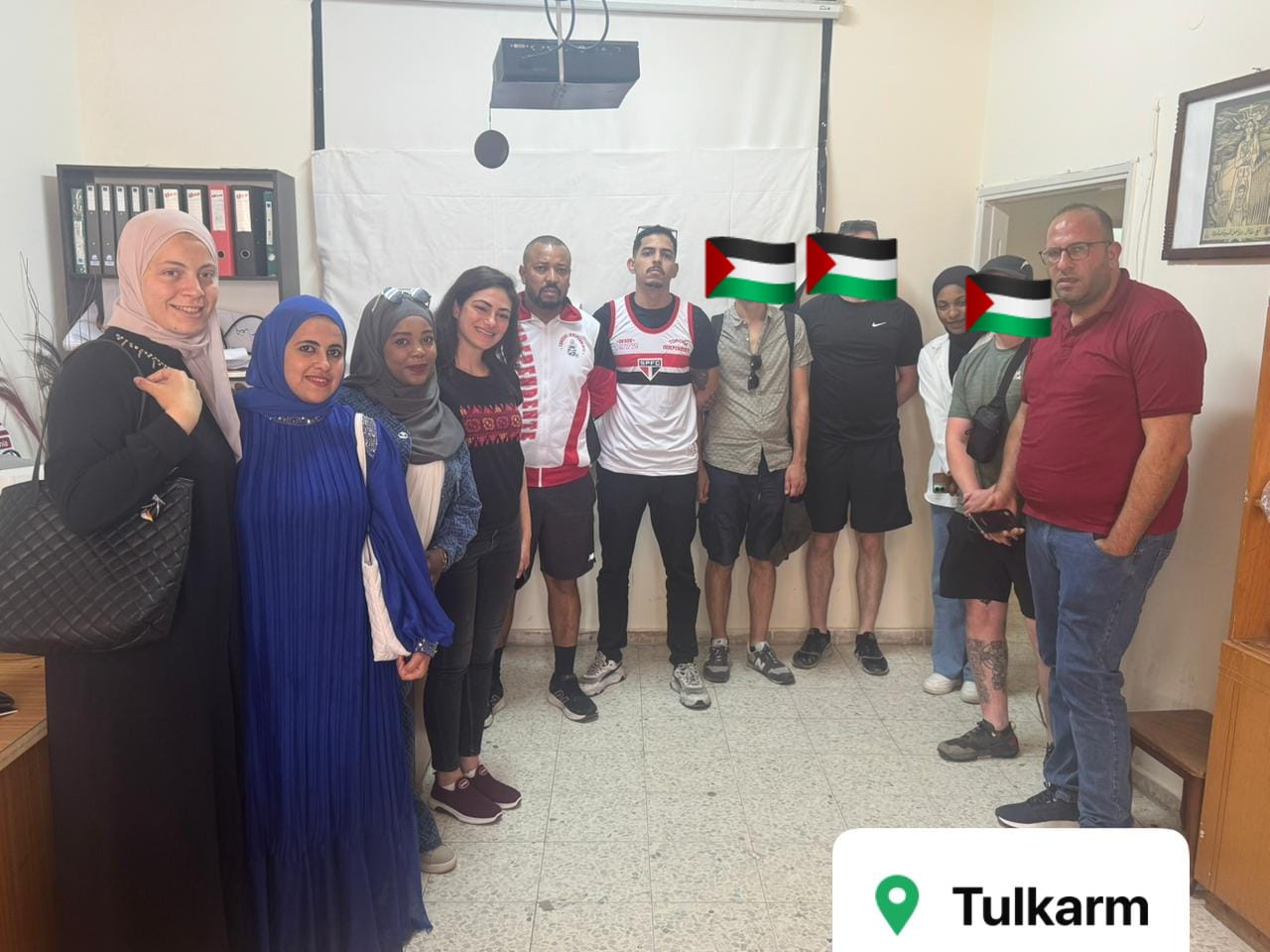
“Many young Palestinians wait to get into the team”, he added. “This work is important because it offers a new perspective to all Aida residents, because the team is famous and attracts supporters from all over the world to the Palestinian cause.”
The Green Brigade is an example of that attraction. The Celtic FC’s fans’ relationship with the Lajee Center deepened after the Green Brigade was fined for performing an act of solidarity with Palestine at a match. The fans held a fundraiser, raised more money than they needed and donated a good portion to the Lajee Center.
“Sport changes everything, and it’s the fans who keep everything going,” Marcelo said.
He says that Independente and its “brothers in cause” have already established new goals to support the Palestinian cause.
(The Palestine Chronicle)
– Enrico Di Gregorio is a Brazilian journalist. He currently writes for A Nova Democracia and contributed this article to The Palestine Chronicle.