
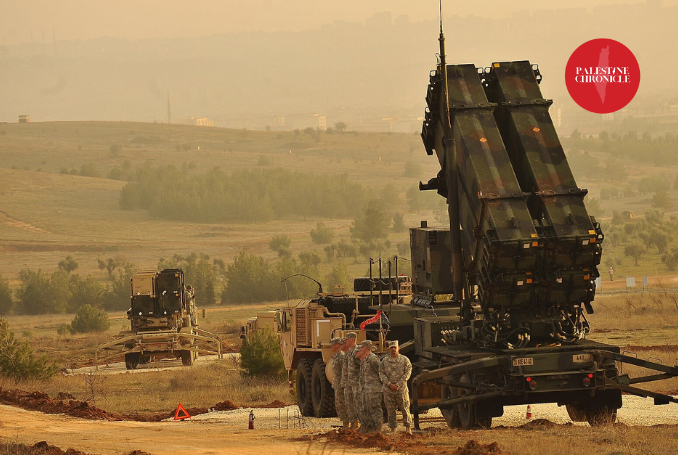

US weapons stockpiles are under growing strain as the war on Iran burns through missiles and costs billions.
Key Takeaways
- The Pentagon is drafting plans to replenish US missile stockpiles after heavy use during strikes and defensive operations against Iran.
- The Wall Street Journal reports lawmakers expect a new Pentagon funding request to replace Patriot, Tomahawk, and THAAD systems.
- Early estimates suggest the first days of fighting cost nearly $11 billion in military expenditures.
- Officials say US defense manufacturing capacity is already stretched by global demand and potential threats from China.
- The conflict is intensifying pressure on the US defense industry to rapidly expand weapons production.
Pentagon Scrambles to Rebuild Missile Stockpiles
The United States is preparing plans to replenish key weapons stockpiles after intense military operations against Iran rapidly depleted supplies of advanced missiles, according to a report by the Wall Street Journal.
The newspaper reported that Pentagon officials are drawing up proposals to replace munitions used during the first week of the war.
“Pentagon officials are drawing up plans to replenish U.S. munitions expended fighting Iran over the past week,” the Wall Street Journal reported, citing people familiar with the matter.
Lawmakers and defense industry executives are now expecting a new funding request from the Pentagon to cover the cost of replacing weapons used in the fighting.
Is Trump Already Searching for a Way Out of the Iran War? – Analysis
According to the report, the funding would support the purchase of Patriot, Tomahawk and THAAD missile systems, which have been heavily used since the US and Israel began their attacks.
“Recent fighting in the Middle East has burned through stockpiles for some of those weapons,” the Wall Street Journal reported.
The situation presents a growing challenge for the Defense Department, which must manage the costs of an expanding war while also maintaining preparedness for other potential conflicts.
The Wall Street Journal noted that the Pentagon is already grappling with a strained defense industrial base.
The US weapons manufacturing system had been under pressure even before the war, as the military sought to prepare for potential confrontation with China.
War Costs Mount
The war is also generating massive financial costs for the United States.
According to an analysis cited by the Wall Street Journal, the first four days of the conflict alone may have cost nearly $11 billion.
That estimate includes the deployment of military assets to the region as well as missile interceptions and strike operations.
The analysis found that the Pentagon has likely fired billions of dollars’ worth of interceptors to counter Iranian missiles and drones.
The Wall Street Journal reported that roughly $5.7 billion worth of interceptors were used to shoot down Iranian projectiles, while another $3.4 billion was spent on bombs and other missiles.
The mounting costs are now pushing the administration to seek increased funding for weapons production. President Donald Trump has reportedly proposed dramatically expanding US defense spending.
In January, he pledged that the next US defense budget would reach $1.5 trillion, an increase of roughly $500 billion compared to current levels.
At the same time, the White House has insisted that US military capabilities remain strong. White House press secretary Karoline Leavitt said in a statement cited by the Wall Street Journal:
“The U.S. military has more than enough munitions, ammo, and weapons stockpiles to achieve the goals of Operation Epic Fury laid out by President Trump—and beyond.”
She added that Trump “will continue to call on defense contractors to more speedily build American-made weapons, which are the best in the world.”
Nevertheless, the Pentagon has acknowledged the pressure the conflict is placing on US military resources.
In a social media post cited by the Wall Street Journal, Trump wrote that American weapons reserves are large but acknowledged limits at the highest technological levels.
“At the highest end, we have a good supply, but are not where we want to be.”
Defense officials and industry leaders have also emphasized that expanding production quickly is difficult.
Michael Duffey, the Pentagon’s top official responsible for acquiring missiles and other weapons, told lawmakers that the problem predates the current war.
“We’ve been working this problem set on munitions supply long before this conflict,” Duffey said during a House committee hearing, according to the Wall Street Journal.
Four Options: The Gulf’s Strategic Choices in the US-Israeli War on Iran
He added that manufacturing is already operating at maximum speed: “Knowledge of our supply wouldn’t make me go faster. We’re going as fast as we possibly can.”
Experts warn that the war could continue to drain critical resources if the conflict drags on.
Tom Karako, a missile specialist at the Center for Strategic and International Studies, told the Wall Street Journal:
“As long as they continue to launch, we have to continue to intercept. We’ve got to finish this fight as quickly as possible.”
(PC, WSJ)




A bonanza for the military industrial complex…all at the expense of the American taypayers, which oppose this war.