
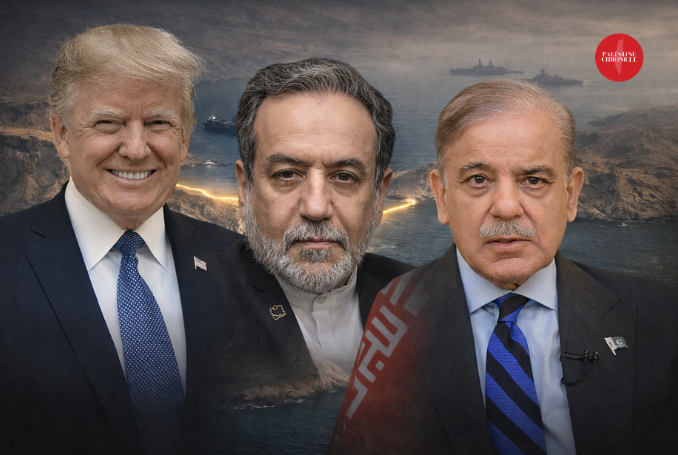

Ceasefire proposal could reopen Strait of Hormuz, but Iran signals it will not trade strategic leverage for a temporary truce without guarantees.
Key Developments
- Pakistan proposes two-phase ceasefire plan between US and Iran.
- Plan includes reopening Strait of Hormuz and broader agreement.
- Iran rejects reopening strait in exchange for temporary ceasefire.
Two-Phase Ceasefire Proposal
Iran and the United States have received a plan to end hostilities that could come into effect on Monday and reopen the Strait of Hormuz, the Reuters news agency reported on Monday, citing a source aware of the proposals.
A framework to end the US-Israeli war on Iran has been put together by Pakistan and exchanged with Tehran and Washington overnight, the source told Reuters, outlining a two-tier approach with an immediate ceasefire followed by a comprehensive agreement.
“All elements need to be agreed today,” the source said, adding the initial understanding would be structured as a memorandum of understanding finalized electronically through Pakistan, the sole communication channel in the talks.
The US-based news platform Axios first reported on Sunday that the US, Iran, and regional mediators were discussing a potential 45-day ceasefire as part of a two-phase deal that could lead to a permanent end to the war, citing American, Israeli, and regional sources.
The source reportedly told Reuters that Pakistan’s army chief, Field Marshal Asim Munir, has been in contact “all night long” with US Vice President JD Vance, special envoy Steve Witkoff, and Iranian Foreign Minister Abbas Araghchi.
‘Gates of Hell’: Iran Launches Waves 93–95 Targeting Israel, Gulf, US-Linked Sites
Proposed ‘Islamabad Accord’ Framework
Under the proposal, a ceasefire would take effect immediately, reopening the Strait of Hormuz, with 15 to 20 days to finalize a broader settlement.
The deal, tentatively dubbed the ‘Islamabad Accord’, would include a regional framework for the Strait, with final in-person talks to be held in Islamabad.
The final agreement is expected to include Iranian commitments not to pursue nuclear weapons in exchange for sanctions relief and the release of frozen assets, the source said.
Iran Rejects Pressures
Meanwhile, a senior Iranian official told Reuters on Monday that Iran will not reopen the Strait of Hormuz in exchange for a “temporary ceasefire”, adding that Tehran views Washington as lacking the readiness for a permanent ceasefire.
The official confirmed Iran had received Pakistan’s proposal for an immediate ceasefire and was reviewing it, adding that Tehran does not accept being pressured to accept deadlines and make a decision.
Two Pakistani sources said Iran has yet to commit despite intensified civilian and military outreach.
“Iran has not responded yet,” one source said, adding that proposals backed by Pakistan, China, and the United States for a temporary ceasefire have drawn no commitment so far.
The Unwarranted Iran War: US-China Stakes, Regional Costs, Global Losses
Pakistan first publicly signaled its mediation role in the escalating war in late March 2026, offering to facilitate indirect talks between Washington and Tehran.
On March 24, Prime Minister Shehbaz Sharif said Pakistan was ready to host talks and support negotiations, while on March 26, Foreign Minister Ishaq Dar confirmed that Islamabad was relaying a US proposal to Iranian officials.
Pakistan has since worked alongside regional actors, including Turkiye and Egypt, to maintain communication channels and explore diplomatic options.
(PC, Reuters, Axios, Al Mayadeen)


They shouldn’t back down. Dondolf did this to us, not Iran.