
Internal tensions are escalating inside Fatah as disputes deepen over Gaza representation, favoritism, and control of the movement’s leadership bodies.
Key Developments
- Fatah insiders accused the leadership of marginalizing Gaza representation in the Eighth Conference.
- Internal struggle centers on membership of Fatah’s Central Committee and Revolutionary Council.
- Critics accused leadership of favoring West Bank power networks and security-linked figures.
Internal Fatah Crisis
Preparations for the Eighth Conference of Fatah are facing mounting internal criticism amid accusations of exclusion, favoritism, and manipulation of representation mechanisms, particularly regarding the Gaza Strip.
According to a senior Fatah source from Gaza cited by Quds News Network, dissatisfaction has intensified inside the movement over what many cadres view as systematic marginalization of Gaza-based members in favor of figures tied to influence networks in the occupied West Bank and abroad.
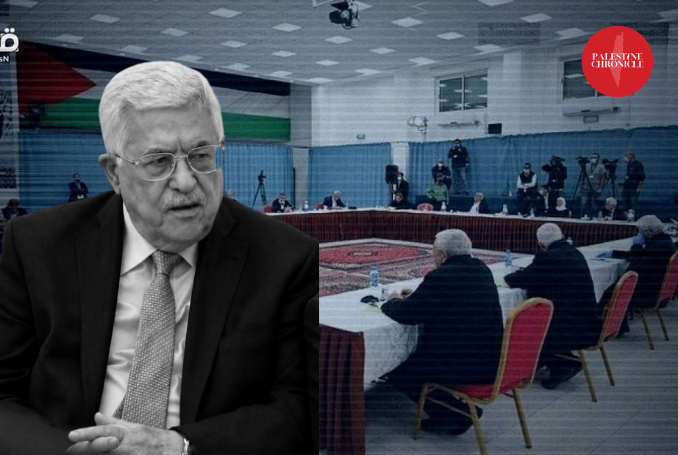
The source said the most intense internal battle centers on membership in the movement’s next Central Committee, amid lobbying by candidates reportedly backed directly by Mahmoud Abbas and senior, influential figures within the movement.
Gaza Representation
According to the source, delegates physically present inside Gaza constitute only around 25 percent of the conference’s approximately 2,580 members.
The preparatory committee reportedly classified Gaza-origin members currently residing in the occupied West Bank or abroad as part of Gaza’s organizational quota, sparking anger among cadres who remained inside the Strip during the war.
The source accused the leadership of reducing representation for union members, syndicates, organizational offices, and Gaza-based commissioners while increasing representation for West Bank-based employees connected to Central Committee offices and Palestinian security agencies.
According to the report, these adjustments were designed to strengthen voting blocs supporting specific West Bank figures, particularly Hussein al-Sheikh and Majed Faraj.
Battle Intensifies
The Central Committee remains the primary arena of struggle inside the movement. The committee currently consists of Abbas and 19 members, including five officially counted under Gaza’s quota.
However, according to the source, only Ahmed Helles currently resides inside Gaza, while the remaining Gaza-designated members live in the occupied West Bank or abroad.
These include Sabri Saidam, Ismail Jaber, Rawhi Fattouh, and Nasser al-Qudwa, though al-Qudwa recently announced his boycott of the conference.
The source claimed some of these figures had not entered Gaza for many years despite continuing to be counted within the Strip’s organizational share.
Abbas Influence Shapes Lists
The report indicated that the next Central Committee is expected to include 18 elected members, seven of whom would officially represent Gaza, including one woman, in addition to three members appointed directly by Abbas.
Among the names considered likely candidates are former Palestinian ambassador to Saudi Arabia Bassem al-Agha, former ambassador to Egypt Barakat al-Farra, and Ahmed Abu Holi.
The report also noted that many favored Gaza candidates currently reside outside the Strip, fueling further criticism from cadres demanding that Gaza representatives actually live inside Gaza.
Criticism over Exclusion
Separate criticism has emerged over broader conference selection procedures.
Activists and Fatah members accused the leadership of relying on loyalty networks, favoritism, and opaque “quota” systems rather than organizational history, competence, or genuine representation.
Former associates of late Palestinian leader Yasser Arafat reportedly boycotted the conference, accusing organizers of including individuals lacking legitimate revolutionary credentials while excluding longtime cadres and activists.
One former conference member cited in the report said he had been excluded despite the conference membership expanding from 1,400 to 2,500 participants, while student leaders from major Gaza universities were left unrepresented.
Fear of Deeper Fragmentation
Critics warned that the Eighth Conference risks becoming another mechanism for reproducing the existing leadership structure rather than reforming the movement or restoring public confidence.
According to internal voices cited by the report, the growing backlash does not reflect rebellion against the movement itself, but rather concern that Fatah is losing what remains of its legitimacy and internal cohesion at a time of unprecedented Palestinian political fragmentation.
Abbas Under Fire within Fatah over Bid to Promote Son to Leadership – Report
(Quds News Network)