
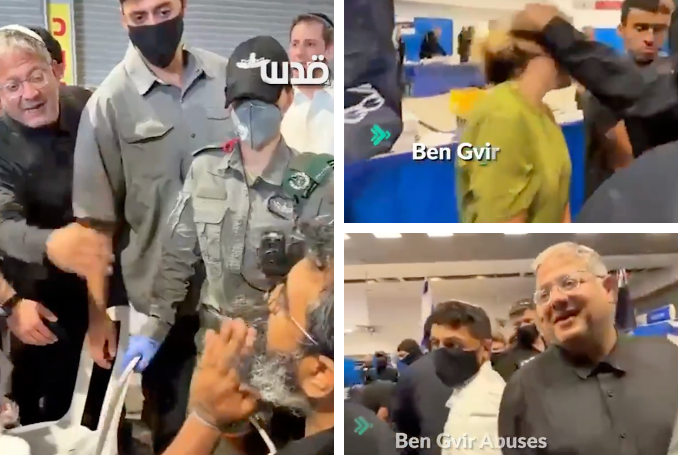

Activists released after Israel’s interception of the Global Sumud Flotilla described beatings, sexual abuse, electric shocks and degrading treatment — while insisting Palestinians in Gaza continue to endure far worse.
When participants boarded the Global Sumud Flotilla to challenge Israel’s blockade on Gaza, many said they expected interception. Some anticipated arrest. Others expected detention.
Few, however, said they expected what they later described as days of violence, humiliation and abuse after Israeli forces seized the vessels in international waters.
As hundreds of activists arrived in Istanbul following their release and deportation, testimonies emerging from doctors, campaigners and participants painted a disturbing picture of what they say unfolded after Israeli forces intercepted dozens of boats carrying more than 400 activists from over 40 countries.
Accounts described beatings, electric shocks, severe physical assaults, alleged sexual abuse, attacks by dogs, prolonged confinement, and detention under harsh conditions.
Yet despite recounting their own experiences, many repeatedly redirected attention elsewhere: toward Gaza itself.
Several activists stressed that whatever they experienced represented only a fraction of the reality Palestinians continue to face daily.
‘Welcome to Israel’ – Ben-Gvir Video of Detained Flotilla Activists Triggers Backlash
From Humanitarian Mission to Military Interception
The Global Sumud Flotilla departed from Türkiye as part of an international campaign aimed at challenging the blockade imposed on Gaza and drawing attention to worsening humanitarian conditions in the Strip.
Israeli naval forces later intercepted the flotilla in international waters west of Cyprus before transferring activists toward Ashdod and detention facilities.
More than 420 activists later arrived in Istanbul aboard Turkish flights after being deported.
Participants described chaotic scenes beginning almost immediately after Israeli forces boarded the vessels.
Australian doctor Bianca Webb-Pullman said projectiles were fired during the interception.
“They probably weren’t live bullets, but they were firing projectiles at our boat,” she said.
She described what followed as an escalating cycle of violence and humiliation.
“We were kept there for over an hour while the Israeli soldiers played the national anthem over and over again, and they were saying, ‘Welcome to Israel,’ and being brutal with people.”
“They were hitting people, kicking people, and this went on throughout the whole process of being processed at the dock. It was extremely degrading.”
Israeli Police Build Files on Foreign Journalists, Recommend Bans – Report
‘We Were Treated Worse Than Animals’
Accounts from released activists repeatedly focused on the conditions surrounding detention and transfer procedures.
Many described rough handling, physical abuse and prolonged mistreatment.
Webb-Pullman said detainees experienced treatment that went far beyond security procedures.
“We are not criminals. We are treated worse than animals. I mean, an animal, you would give water.”
She also said doctors aboard the flotilla struggled to assist wounded activists without support.
“So many of my medical colleagues had severe violence inflicted upon them, and they were forced to look after patients in a boat with no medical support from the IOF.”
Others described similarly violent encounters.
Mauritanian activist Muhammed Baba said Israeli forces used dogs against detainees.
“They unleashed a guard dog on me. It was hitting my chest and face with its muzzle.”
“This attack happened just before we were taken to prison.”
Algerian activist Muhammed Harkati described beatings and physical abuse during interrogations.
“During the interrogations, they tied us tightly.”
“The soldier who took us from one room to another also beat us.”
According to Harkati, activists were held with plastic and steel restraints.
Israeli National Security Minister Itamar Ben-Gvir personally oversaw the harsh detention conditions imposed on Turkish Sumud Flotilla activists after they were intercepted in international waters, detained, and transferred to Ashdod prison.
Ben-Gvir has long promoted hardline… pic.twitter.com/pxjuzRVoQx
— The Palestine Chronicle (@PalestineChron) May 20, 2026
Beatings, Electric Shocks and Allegations of Sexual Abuse
As more testimonies emerged, some allegations became even more severe.
Released activists described beatings that continued throughout detention and transfer operations.
French activist Adrien Jouan described repeated assaults despite activists offering no resistance.
“Yes, they beat me, but a lot in the back also, in the first boat, on the prison boat, when they picked us. And it was a kind of torture.”
“We stayed really quiet, really pacifist from the beginning to the end.”
“When they beat me, it was for no reason, absolutely.”
Jouan later said legal action should follow.
“It’s not normal that they can do so many things that are illegal, and we should pursue them for sure.”
Belgian activist Arno Meyne said numerous detainees suffered fractures and head injuries.
Other testimonies described electric shocks, repeated dragging and severe physical assaults.
Some of the most serious allegations involved sexual abuse.
Brazilian activist Thiago Avila said detainees experienced repeated abuse after the interception, including allegations involving sexual assaults against activists during transfers.
Irish physician Margaret Conolly described approximately 50 unarmed civilians being held inside what she described as a filthy metal container for several days with inadequate food, water and sanitation.
Canadian activist Ehab Latif reportedly suffered a hand injury after being stabbed while attempting to assist detainees and distribute water.
Accounts from released participants repeatedly described overcrowding, untreated injuries and prolonged confinement aboard military vessels and detention facilities.
125,000 Skin Infections as UNRWA Warns of Escalating Health Disaster in Gaza
‘Nothing Compared to Gaza’
Despite the severity of the testimonies, many activists repeatedly insisted that attention should remain focused on Gaza itself.
For Muhammed Harkati, comparisons between their detention and conditions inside Gaza were impossible.
“The beatings and torture we endured cannot be compared to what our Palestinian brothers are suffering.”
“Palestinians do not have such an opportunity. We were able to eat and drink, but they cannot.”
“So we cannot say they are living like us. There is a huge difference between us and them.”
Adrien Jouan made a similar point.
“But still, it’s nothing compared to what they do to Palestinians.”
That sentiment surfaced repeatedly after the activists’ release.
Participants who boarded the flotilla to challenge Gaza’s blockade returned with accounts of severe abuse and degrading treatment. Yet many insisted their experiences represented only a brief encounter with realities Palestinians have endured on a vastly greater scale for months and years under siege, bombardment and war.
As testimonies continue emerging from released detainees, legal organizations and human rights groups are expected to push for investigations into the treatment of activists intercepted during the Global Sumud operation.
(Anadolu, QNN, PC)


Ce sont les sionistes qui n’ont RIEN D’HUMAIN, malheureusement, les animaux sont des milliards de fois mieux qu’eux et dignes de respect. Ces êtres nous rendent tous malades, la terre se porterait tellement mieux sans le sionisme, c’est un véritable cancer..