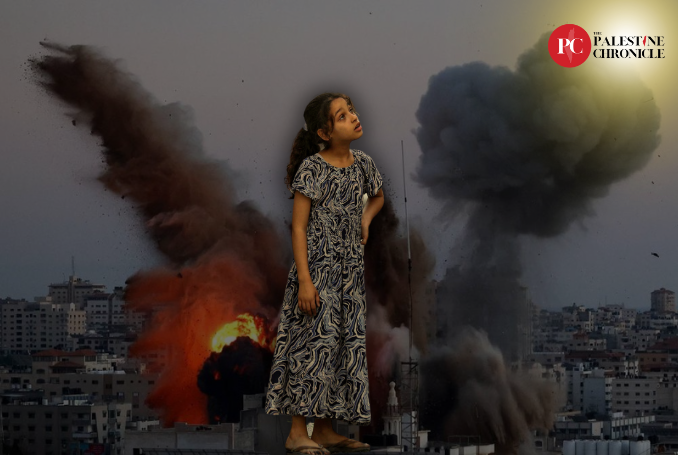

UN agencies warn that rising numbers of women-headed households, a collapsing health system, and severe winter conditions are pushing Gaza’s population into an even deeper humanitarian emergency amid ongoing restrictions on aid.
The UN Population Fund (UNFPA) has sounded the alarm over the rising number of households in Gaza now led by women, warning that their situation remains extremely fragile despite the so-called ceasefire.
During a virtual press briefing, UNFPA’s Representative in Palestine, Nestor Owomuhangi, said his visits to hospitals and displacement sites reveal a population pushed beyond endurance. “Most families continue to live in overcrowded shelters, where hunger and disease are constant threats,” he said.
According to UNFPA, more than 57,000 households are now headed by women, many of whom are struggling simply to keep their children alive.
“These women are profoundly vulnerable, with little or no income to support their families,” Owomuhangi noted, pointing to worsening winter conditions. “Winter rains and flooding are adding a new layer of suffering.”
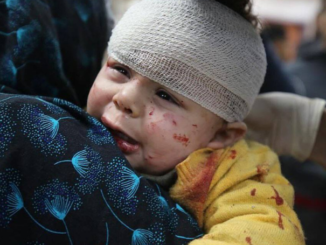
His warning echoes broader assessments released by other humanitarian agencies. UNICEF reported that nearly 9,300 children under five suffered acute malnutrition in October alone, a figure expected to rise as winter advances and sewage-contaminated floodwaters spread through tent camps.
In Gaza, more than 70 children have been reported killed since October 10th, when the world hoped the relentless violence and distress for more than one million children would end.
A ceasefire must translate into genuine safety for children, not more loss.
Every child has the… pic.twitter.com/GlNJ7pQDL3
— UNICEF (@UNICEF) December 5, 2025
Local authorities estimate that a recent winter storm damaged or destroyed 22,000 tents, leaving 288,000 households exposed to the cold. Hospitals in southern Gaza have reported rainwater entering corridors and operating rooms, further disrupting already fragile emergency care.
With limited access to food and water, daily life has been reduced to basic survival needs. “People no longer ask for homes, education, or proper meals,” Owomuhangi said. “They ask for a tent, a small heater, and a light. Their expectations have collapsed, as devastating as any demolished building.”
Health System on the Brink
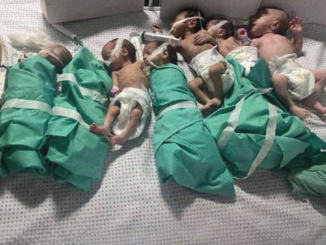
UNFPA warned that Gaza’s health network is operating at a fraction of its capacity. “Only about one-third of health facilities are partially functioning, and all are chronically understaffed, overwhelmed, and lacking basic supplies,” Owomuhangi said. He credited medical personnel with preventing total collapse: “Gaza’s health system survives only because its workers refuse to abandon it.”
The human toll continues to climb. Since October 2023, Gaza’s Ministry of Health has reported more than 70,000 Palestinians killed and over 170,000 injured. Recent demographic analysis suggests the actual death toll may exceed 100,000 once people still buried under rubble are counted.
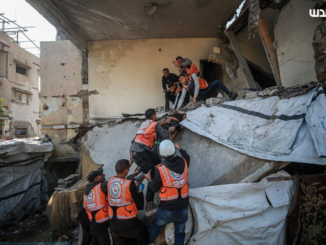
More than 6,000 amputees, including thousands of children, now face long-term rehabilitation needs, and the UN Committee on the Rights of Persons with Disabilities estimates that at least 21,000 children have been permanently disabled by Israeli attacks.
Owomuhangi said that restoring medical centers, repairing supply chains, and expanding trauma and mental-health services will be central to any future recovery. “The trauma endured by Gaza’s youth will shape their entire generation. And yet, their determination stayed with me,” he said.
Heavy Israeli Bombardment Hits Gaza as Eight States Urge Ceasefire Implementation
Aid Access still Blocked
Since the October 10 ceasefire, UNFPA says it has been able to reach 120,000 women and girls with reproductive health care and services for survivors of gender-based violence. The agency currently supports 22 health facilities, including five hospitals, as well as 36 safe spaces, two shelters, and nine youth hubs. It hopes to expand this network significantly next year.
But aid continues to face heavy restrictions. “With just three crossings open – and never all at once – combined with ongoing bureaucratic obstacles, we continue to see major delays,” Owomuhangi said. He called for predictable, sustained, and safe access through all possible routes, stressing that the crisis will only deepen if shelters, clinics, and sanitation systems keep collapsing under winter pressure. “Without this, recovery cannot even begin.”
UN agencies warn that unless access improves and supply flows increase sharply, Gaza’s most vulnerable – including women-headed households, malnourished children, the injured, and tens of thousands of people with disabilities – will face an even more hazardous winter.
(PC, Al Mayadeen)