
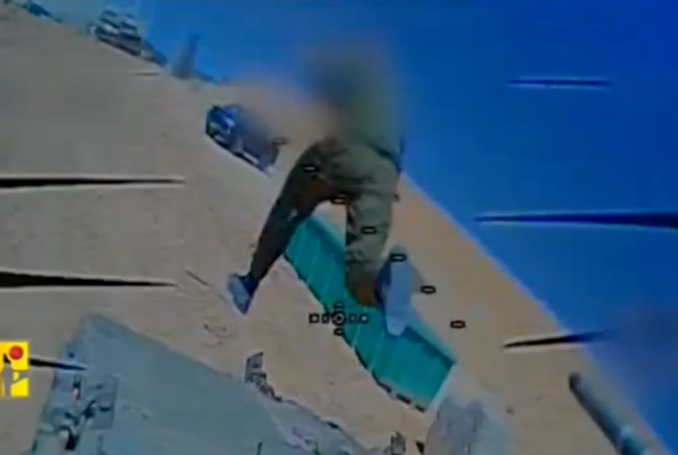

An Israeli report claims symbolic “victory images” increasingly overshadow battlefield priorities as frustrations deepen in southern Lebanon.
Key Developments
- Haaretz reported an Israeli commander insisted on a daytime visit despite operational warnings and drone threats.
- The visit reportedly ended with casualties after an attack that soldiers said lacked military necessity.
- The report linked the incident to broader concerns over battlefield exhaustion and eroding strategic gains.
Questions over Battlefield Decisions
An analysis published by the Israeli newspaper Haaretz examined circumstances surrounding the killing of Captain Maoz Yisrael Rekanti and injuries sustained by other Israeli soldiers near the Litani River in southern Lebanon.
According to the report, the incident reflected more than a local operational failure and instead pointed to broader frustrations surrounding Israel’s military campaign.
The report argued that military leadership increasingly appears focused on producing symbolic images of success amid mounting battlefield difficulties.
‘Four Minutes’ at the Litani
According to Haaretz, Commander of Israel’s 36th Division, Brigadier General Yiftah Norkin, insisted on conducting a daytime inspection visit near the Litani River.
The report said the visit took place despite warnings that daytime movement exposed forces to threats from resistance drones and despite standing military logic favoring night operations.
Soldiers were reportedly deployed to secure the area.
The result, according to the report, was an attack that killed one officer and wounded others.
Haaretz said Norkin remained at the site for approximately four minutes before withdrawing to a safer location.
According to Haaretz, soldiers involved in the operation questioned the purpose of the visit, arguing that it appeared designed to allow the division commander to inspect the Litani River area and a tank bridge rather than fulfill a necessary military objective.
The report said those involved saw little operational value in the visit and viewed it as an unnecessary risk, particularly given existing instructions limiting daytime movement because of drone threats.
Hezbollah Forces Israeli Withdrawal from Hadatha, Commander Wounded
Drone Attack Continue
The report described resistance drones as creating significant challenges for Israeli forces operating in southern Lebanon.
It argued that small attack drones increasingly restricted the movement of Israeli soldiers and vehicles during daylight hours.
According to the analysis, these developments contributed to operational limitations and placed growing pressure on Israeli ground forces.
The report also claimed that despite months of fighting, many of Israel’s broader military objectives remain unresolved.
It noted that residents had not returned to northern settlements, resistance capabilities remained intact, and front-line structures had not collapsed.
Deterrence, Doctrine: Revival of Lebanon Front Spells Strategic Disaster for Israel
Messaging Replace Battlefield Success
The analysis argued that in the absence of clear military gains, operational priorities increasingly shifted toward destruction and media messaging.
Haaretz cited testimonies from soldiers who reportedly said commanders focused on documenting demolished buildings and reporting destruction figures.
The article suggested such actions reflected a search for symbolic achievements rather than concrete military outcomes.
According to the report, the Litani incident highlighted what it described as a growing emphasis on perception and public messaging over operational effectiveness.
(Israeli Media, Al Mayadeen, PC)


Be the first to comment